


Electronic business cards are better for convenience and modern networking, while traditional cards are better for formal situations. Using both is often the best approach.
In a digitally connected business environment like Singapore, the way professionals exchange contact details is rapidly evolving. While traditional printed cards have long been a staple of professional networking, the rise of the smart card is reshaping expectations.
Understanding the differences between electronic and paper business card formats is essential for making the right impression. The choice ultimately depends on how you network, who you engage with, and the image you want to present.
Still handing out paper cards?
Switch to a Genic Cards digital business card — tap or scan to share your details instantly, no app needed.
What is an Electronic Business Card?
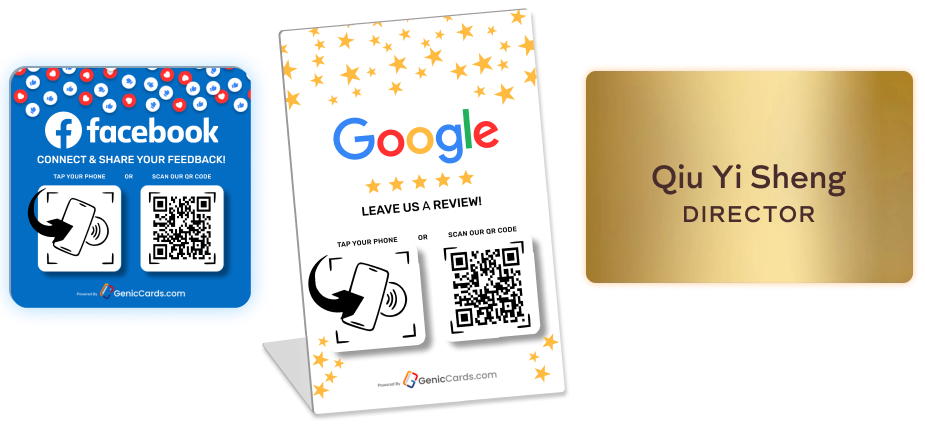
An electronic business card is a digital version of a traditional card that allows you to share contact details instantly via QR codes, NFC, or links. It often functions as a smart card, allowing users to:
- Share contact details instantly
- Include clickable links (website, LinkedIn, portfolio)
- Update information anytime without reprinting
Advantages of the NFC Business Card
Electronic business cards are convenient, cost-effective, eco-friendly, and easy to update, making them ideal for modern networking. Let’s explore the benefits of electronic business cards below:
Instant Sharing
You can share your information immediately through electronic business cards, which offer QR codes, links, and messaging options during networking sessions and virtual business meetings.
Always Up-to-Date
Unlike printed cards, an e-business card can be updated anytime. The system immediately updates your information when you change your position, company affiliation, or contact information without needing to create new copies.
Cost-Effective
The digital business card solution stops companies from paying for printing all their cards repeatedly. Most options require only a one-time setup or a low subscription fee.
Eco-Friendly
The use of digital cards for paper reduction supports Singapore’s growing sustainability initiatives, which the country now prioritises.
Enhanced Branding
A smart contact card lets you build better connections through its clickable links, social media profiles, and multimedia content, which helps you develop a modern professional appearance that stands out.
Disadvantages of the NFC Business Card
Digital business cards depend on devices, may feel less personal, and can be difficult for non-tech users.
Requires a Device
An electronic business card depends on smartphones or internet access. The process of sharing information becomes difficult when either party fails to use devices that work together or stay connected to the network.
Less Personal Touch
The exchange of e-business cards between people seems less official and less likely to create lasting memories than physical card exchanges.
Organisations prefer to conduct in-person meetings because Singaporean businesses follow formal corporate procedures, which affect how people first perceive each other.
Tech Barriers
People experience different levels of digital tool comfort when using these tools. The digital business card solution creates obstacles for users who belong to non-technical sectors and for people who belong to older age groups, which restricts its ability to work across different user demographics.
The existing restrictions show why professionals choose to work with conventional solutions together with digital tools.
What is a Traditional Business Card?
A traditional business card is a printed card that contains essential contact details such as your name, designation, company, phone number, and email.
In Singapore, exchanging physical cards is still an important part of professional etiquette, particularly in corporate and formal settings.
Advantages of the Printed Business Card
Traditional cards offer a strong first impression, a personal touch, and are widely accepted in formal settings.
Strong First Impression
A well-designed card shows professional quality, which makes people believe in your business right when they first see it. The way your brand appears depends on how you design it, what type of paper you use, and how you treat the surface.
Tangible Experience
You can touch a physical card, which creates a different experience than using a contactless business card. The exchange becomes more memorable because people add their own personal touch to the process.
No Technology Needed
People can exchange traditional cards, which they can also keep without needing any technological devices, software programs, or internet connectivity.
Cultural Relevance
In many Asian business environments, exchanging cards is part of professional etiquette. People continue to use printed business cards as their first impression in business dealings because these physical cards enable them to exchange contact details with others.
Disadvantages of the Printed Business Card
Traditional cards can be lost easily, have limited information, incur ongoing costs, and are less eco-friendly.
Easily Lost or Discarded
People tend to lose their physical cards during networking events because they throw them out, which makes these cards lose their ability to provide lasting value.
Limited Information
A printed card can only hold basic details. The printed card cannot show electronic business card features because it does not support clickable links, portfolio displays, or multimedia content.
Ongoing Costs
Your business costs will rise because you need to print new materials every time you update your contact information, which exceeds the expenses of using digital business cards.
Environmental Impact
The continuous need for printing generates paper waste, which makes traditional cards environmentally harmful to produce. Digital alternatives in Singapore follow eco-friendly standards, which people now consider essential for sustainable practices.
Also Read: Reasons to Switch from Paper Cards to Digital Business Cards
Electronic Vs Paper Business Card
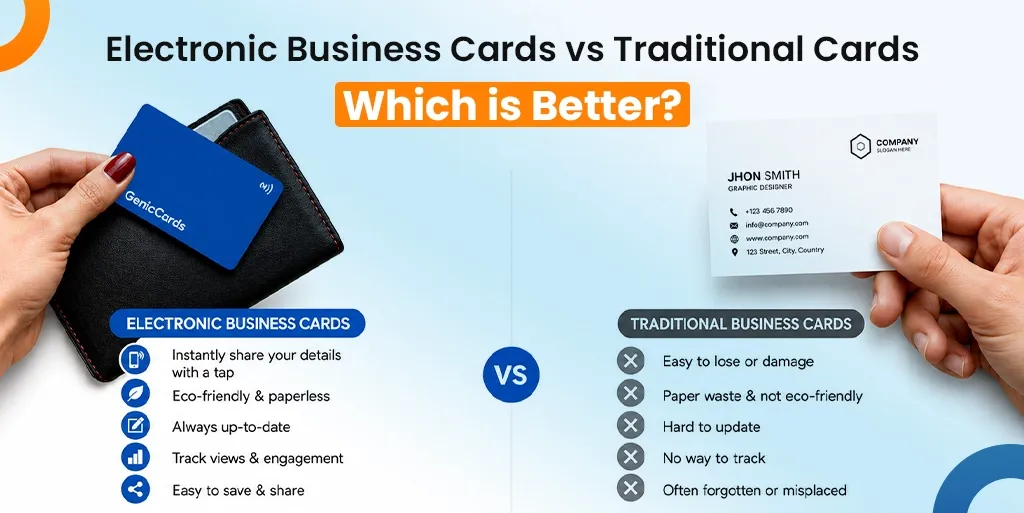
Electronic cards offer flexibility and efficiency, while traditional cards provide a personal and formal touch.
| Feature | Electronic Business Card | Paper Business Card |
|---|---|---|
| Sharing Method | QR, NFC, link, messaging | Physical handover |
| Cost | Low long-term | Recurring printing costs |
| Update Flexibility | Instant updates | Requires reprint |
| Environmental Impact | Eco-friendly | Paper waste |
| Personal Touch | Moderate | High |
| Accessibility | Requires device | No device needed |
| Branding Capability | High (links, media, interactivity) | Limited to print |
Which One is Better?
Electronic business cards are better for convenience and modern use, while traditional cards are better for formal interactions.
The right choice ultimately depends on your professional needs, industry expectations, and networking style in Singapore.
Why Eco-Friendly Business Cards Stand Out
The contactless business card offers better convenience, sustainability, and cost efficiency when compared to paper cards and digital cards.
The present networking tool offers the most suitable solution for modern business needs because it serves startups, freelancers, and tech-based industry professionals.
An e-business card allows users to share their information immediately, while they can update their details at any time, which makes it an extremely useful tool.
Why Traditional Cards Still Matter
Despite digital growth, traditional cards remain important in formal settings. They offer a personal touch and align with business etiquette, which is still valued in Singapore’s corporate culture.
The Smartest Approach
Rather than choosing one, many professionals now use both. Combining a business card digital option with printed cards ensures flexibility, helping you adapt to both modern and traditional networking situations.
Read Also: Complete Guide to Electronic Business Cards
Conclusion
Overall, the modern market operates with two distinct electronic business cards and traditional cards, which fulfill various business requirements. Digital solutions provide users with operational efficiency together with adaptable systems and eco-friendly benefits, yet traditional printed cards maintain their usefulness when dealing with formal business relationships and personal connections.
People in Singapore need to understand their professional conduct expectations because the nation supports innovative ideas. A method that unites modern elements with standard practices enables you to preserve current trends while you follow the established traditions.
The electronic business card system provides users with easy access, but printed cards continue to serve their purpose during official meetings. The most suitable selection emerges when your networking approach matches your career targets.