🌳 Your first step towards Sustainability | The Smart Business Card. 🌳

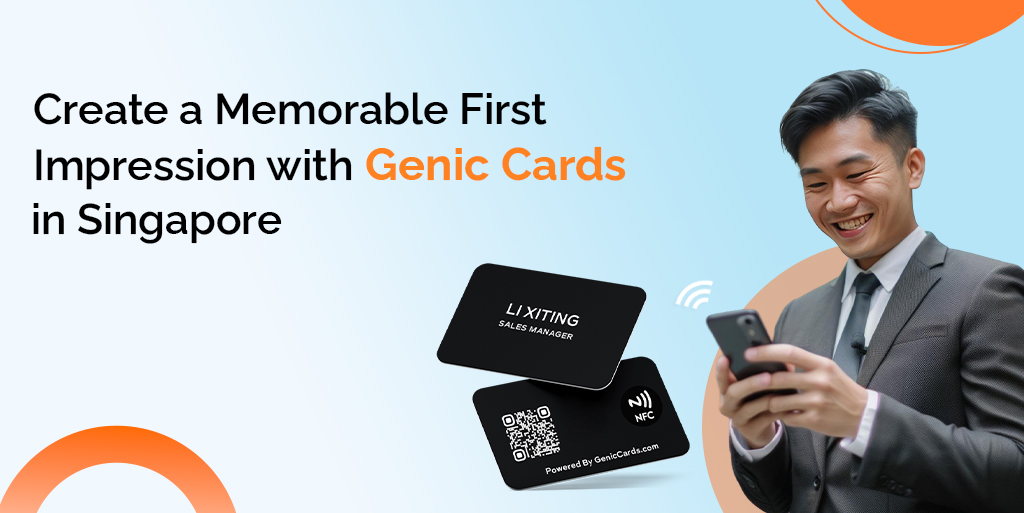
Create a Memorable First Impression with Genic Cards in Singapore

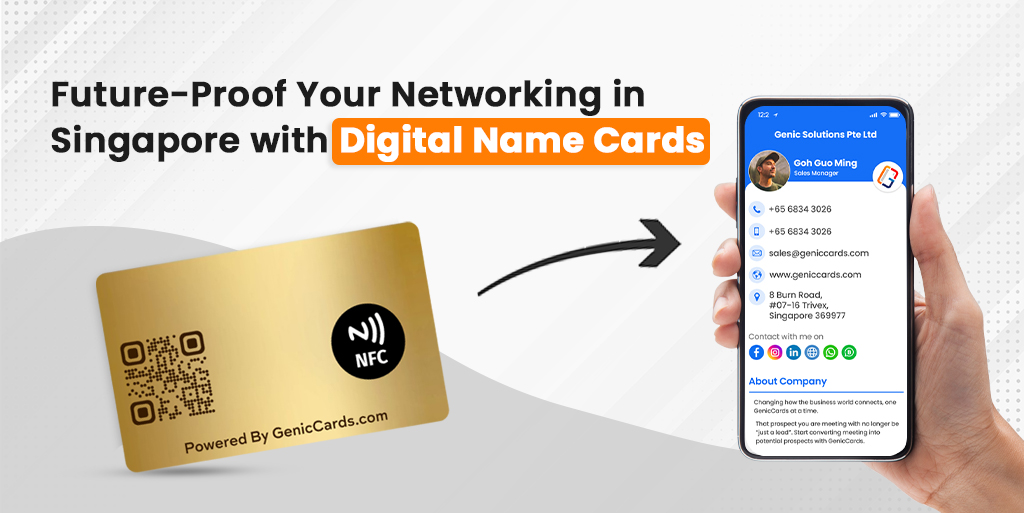
In today’s competitive business landscape, first impressions are pivotal. In Singapore, a bustling hub of innovation and commerce, these moments define your trajectory and set you apart. Genic Cards revolutionise introductions with a high-tech edge, combining interactive features with sleek, modern designs. More than just tools, these cards narrate your unique story in a memorable way.

With Genic Cards, you can gain a competitive edge in Singapore’s dynamic market. Their digital name cards transform the exchange of contact details into a seamless and professional experience. Designed to be sharp, eco-conscious, and fully customisable, Genic Cards reflect your personal style while serving as impactful branding assets. Discover how Genic Cards can elevate your confidence and refine your networking game in Singapore’s fast-paced business world.

Why First Impressions Matter in Singapore’s Business Scene

In Singapore, business moves quickly. People meet and make decisions in a flash. Consequently, first impressions often steer where the relationship goes. A great introduction can spark trust, while a dull one may cause disinterest. For instance, handing over an old-fashioned card shows you’re behind the times. But a modern card, like those from Genic, shows you’re ready for the future. Furthermore, it shares your personality and tells others you care about details.

Using digital name cards means you’re also thinking about the planet. In Singapore, where technology and eco-consciousness rule, these cards make you memorable. Above all, they grab attention with interactive features like clickable links or QR codes. You’re not just giving information—you’re creating a moment people will remember.

How Genic Cards Make You Stand Out

Genic Cards aren’t just cards; they’re conversation starters. They turn something ordinary into something extraordinary with exciting features and elegant looks. Additionally, they enhance your professionalism in every interaction.

Showcase Sharp Designs

Genic’s digital card designs shine with clarity and style. For example, minimalist layouts make your details pop, while QR codes make sharing effortless. Their designs impress, whether it’s at a casual meetup or a professional event. Each design combines simplicity and sophistication, ensuring a memorable first impression. Additionally, the customisable templates allow for quick edits without sacrificing professionalism. Whether you’re an entrepreneur or a seasoned executive, these cards set you apart from the crowd.

Let Your Brand Shine

These cards highlight your brand perfectly. Add your logo, pick colors that match your company, and shape the card into a mini ambassador of your business. Moreover, each card delivers your message with energy and enthusiasm. This personal touch enhances brand recall among clients and partners. With seamless integration of your unique vision, your brand stays consistent and impactful. Above all, Genic Cards offer endless possibilities to refine and elevate your professional image.

Boost Networking Power

Interactive tools like NFC technology help you connect instantly. Instead of passing paper, you share your portfolio or LinkedIn with a simple tap. As a result, networking becomes faster and far more fun. This instant connection ensures that no opportunity slips through the cracks. Furthermore, you can track engagement through built-in analytics to optimize your outreach. Imagine the confidence of knowing your card is not only innovative but also highly effective in building relationships.

Go Green with Style

In Singapore, people respect businesses that care for the environment. Genic Cards cut down waste, making you look smart and thoughtful. Therefore, a sustainable card speaks louder than words. These eco-friendly choices resonate strongly with environmentally conscious audiences. By reducing reliance on traditional materials, you set a positive example for others in your industry. Sustainability paired with sleek design positions your business as forward-thinking and responsible.

Tips to Create a Memorable Genic Card

Genic Cards let you unleash your creativity. But how can you make yours unforgettable? Use these smart name card tips to leave everyone talking about your card. Meanwhile, enjoy the process of designing something unique.

Keep It Simple, Yet Stunning

Clutter confuses. Thus, stick to the basics: your name, title, and contact details. Use bold colors and crisp fonts for a professional, exciting look. After all, simple choices often create the strongest impressions.

Make It Feel Unique

Textures and finishes give your card character. For instance, a smooth matte feel or an embossed logo creates a delightful touch. Consequently, these small tweaks turn your card into something people enjoy holding.

Add Tech Magic

QR codes make life easier. For example, link them to a video about your services or a website that tells your story. NFC technology adds another layer of cool, helping you share more with less effort. Ultimately, these features make your card stand out.

Match Your Brand’s Energy

Use colors and shapes that represent your brand. Are you creative and bold? Then, go for vibrant shades and playful fonts. Work in finance? Stick to polished, classic designs. Let your card reflect your world and make your brand memorable.

Why Singapore Professionals Prefer Genic Cards

why-professionals-prefer-genic-cards-

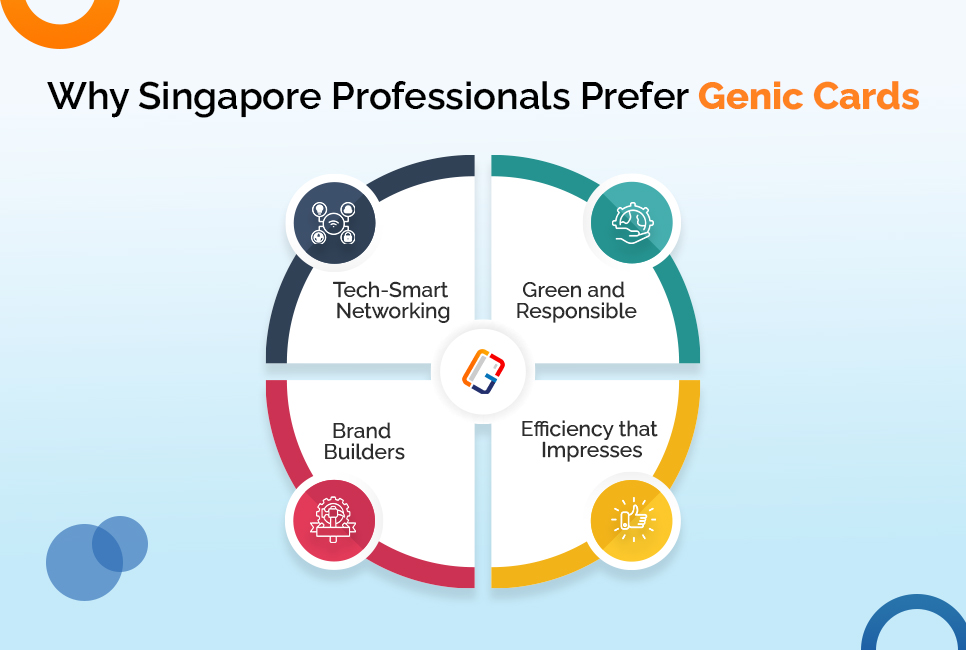
Singapore’s professionals love tools that save time and look fantastic. Genic Cards tick both boxes, offering advantages that redefine how we network. Therefore, they are becoming the go-to choice for professionals.

Tech-Smart Networking

Singapore’s fast-moving business scene demands tech-savvy solutions. Genic Cards’ modern features make professionals feel ready to tackle any meeting. Furthermore, they help you connect and share in seconds, keeping up with the city’s pace.

Green and Responsible

Eco-friendliness matters. Using smart identity cards reduces waste and shows your values. Additionally, this eco-choice resonates in a city striving for a greener future. Genic Cards prove you’re forward-thinking and conscious of the environment.

Brand Builders

Branding is everything. Genic Cards act as smart branding tools in Singapore, building connections with style and impact. By blending logos, colors, and design, they become extensions of your business personality. Consequently, your branding efforts gain a significant boost.

Efficiency that Impresses

Why scribble on paper or fumble with emails? With Genic Cards, you share all your details seamlessly. As a result, this saves time and creates an impression that sticks, making networking simpler and more effective.

How to Get Started with Genic Cards in Singapore

Taking your first step with Genic Cards is simple but impactful. Follow these steps to create a card that represents you perfectly. In the meantime, think about your unique branding needs. Whether you’re starting fresh or revamping your image, each detail matters.

Set Your Goals

What’s your purpose? Are you aiming to attract new clients or deepen connections with partners? Knowing your goals helps you design a card that fits your strategy. Thus, start by reflecting on what you want to achieve. Consider the tone and message your card should convey. A clear vision paves the way for a compelling design.

Pick a Design That Speaks

Browse through Genic’s catalog of digital card designs. Choose one that mirrors your personality and profession. Sleek and elegant? Or bold and daring? Let the design reflect your ambitions and captivate your audience. Remember, your design should resonate with your target demographic. A card that speaks to your professionalism leaves a lasting impression.

Add a Personal Touch

Customize your card with logos, photos, or taglines. Want to stand out? Then, add a QR code that links to a portfolio or a fun introduction video. Your details shouldn’t just inform—they should inspire and excite. Personalization transforms a generic card into a powerful branding tool. It’s your opportunity to make every interaction memorable.

Test Before You Launch

Before finalizing, check everything. Does your card read well? Do links work? Additionally, ask a few colleagues for feedback. Their fresh eyes can spot improvements you missed. Testing ensures that your card delivers its message seamlessly. Small tweaks now can save you from bigger issues later.

Begin Networking Like a Pro

Once your card is ready, hit the ground running. Use it in meetings, events, and daily interactions. Meanwhile, watch how people light up as you share your sleek, smart card. Observe the reactions you get and adjust your approach if needed. Success starts with a strong first impression.

The End Note

First impressions are like seeds—they grow into strong relationships when planted well. In Singapore, a bustling hub of opportunities, creating a lasting impression is key. Genic Cards help you do just that. These digital name cards break barriers with their creative designs and interactive features. They serve as modern branding tools in Singapore, helping you shine in every meeting and event. Furthermore, they position you as someone innovative and thoughtful. With Genic Cards, you’re not just networking; you’re building a reputation that lasts.

Now is the time to take control of your first impression. Genic Cards let you stand out with style, sustainability, and technology. Therefore, make the leap today and turn every introduction into an opportunity. Let your card speak volumes, one connection at a time.

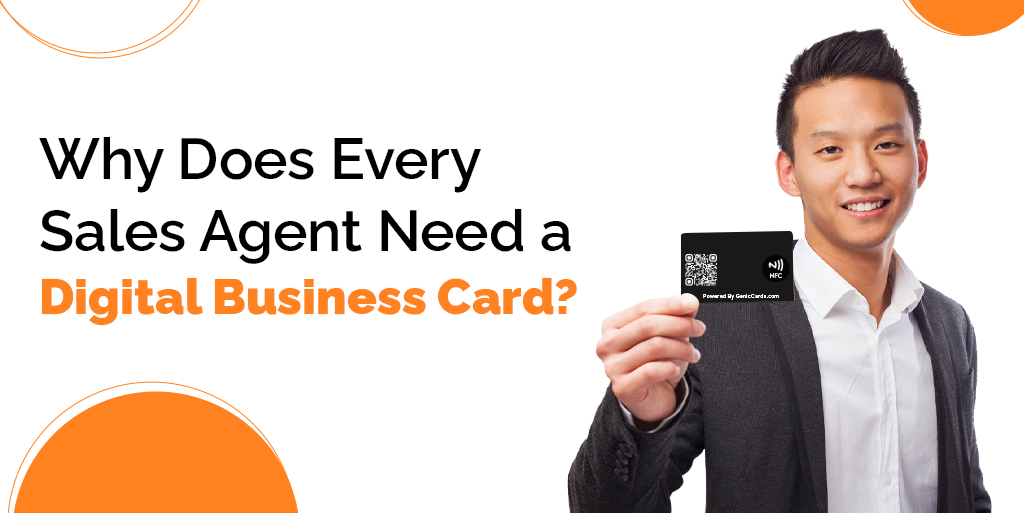
Why Does Every Sales Agent Need a Digital Business Card?

Nowadays, first impressions matter. The moment you meet a potential client, you need to leave a mark. That mark often depends on how well you connect and share your contact details. In today’s fast-paced world, traditional paper business cards just don’t cut it anymore.

Every sales agent needs a smarter solution. A solution that helps them stand out, stay memorable, and connect instantly. That’s where a digital business card comes into play. Let’s explore why every sales professional should make the switch.

What is a Digital Business Card?

A digital business card is an electronic version of a paper business card. It contains contact details, company info, and links. Unlike paper cards, you can share it instantly via email, text, or a QR code. It’s convenient, modern, and saves time.

The Problem with Traditional Business Cards

Paper business cards have been a sales tool for decades. But they have limitations. They can get lost, damaged, or tossed in a drawer.

Here are some common issues:

  1. They are easy to lose: How often do you misplace cards? Prospects do too.
  2. Limited space: You can only add so much information.
  3. Hard to update: If you change your details, you must print new cards.
  4. Environmental impact: They use paper and ink, which isn’t sustainable.

Sales agents meet dozens of prospects daily. Carrying stacks of cards isn’t efficient. It’s time for a smarter solution.

Why a Digital Business Card Makes Sense for Sales Agents

Sales agents need tools that make their job easier. An interactive digital business card does that. Here’s how:

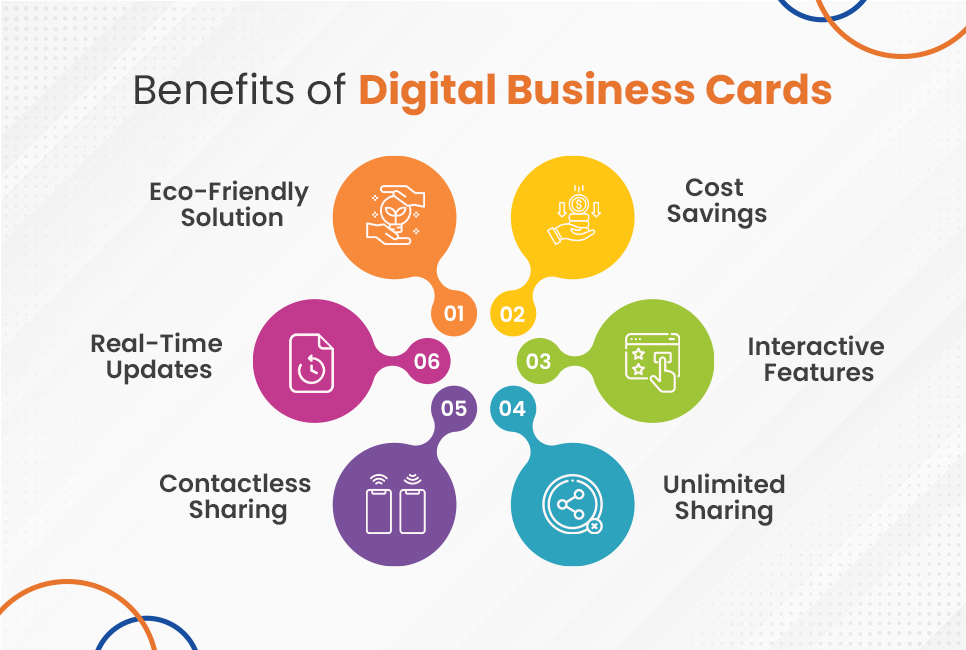
  1. Instant Sharing: Send it in seconds via email, text, or social media. It’s faster than handing out paper cards.
  2. Always Accessible: Prospects won’t lose it. They can save it on their phone or device.
  3. Saves Time: Stop printing cards every time your job title changes. Update your details instantly online.
  4. Interactive: Add links to your website, portfolio, or social media. Prospects can contact you with one click.
  5. Cost-effective: Once created, it’s free to share. No more printing costs.
  6. Professional Impression: It shows you’re tech-savvy and forward-thinking.

Stand Out in a Crowded Market

Sales agents face intense competition. To succeed, you must stand out. An E-business card helps you make an impression. It’s sleek, modern, and memorable.

Imagine this: You meet a prospect at an event. Instead of handing over a paper card, you share your digital one. It takes seconds. They open it on their phone and see everything—your photo, contact info, and links. You stand out instantly.

Convenience for Prospects

A digital business card isn’t just helpful for sales agents. It’s better for prospects too. They no longer need to carry paper cards. They save your details on their phone instantly. One tap connects them to you.

Here’s why prospects prefer it:

Convenience makes a big difference in sales. If you make life easier for prospects, they’re more likely to engage with you.

Easy to Update and Personalise

Sales agents often change roles or contact details. With paper cards, this means reprinting everything. That wastes time and money. Digital business cards solve this problem.

You can update your details in minutes. Your contacts will always see the latest version. Add new links, change your title, or update your phone number. It’s simple and quick.

You can also personalise your card. Add a profile photo, company logo, and custom branding. Make it unique to you. Personalisation builds trust and recognition.

Environmentally Friendly

Sustainability matters today. Businesses and individuals are looking for eco-friendly options. Paper business cards aren’t green. They use trees, water, and energy to produce.

Digital business cards are better for the planet. They’re paperless, so there’s no waste. You’re not only saving money—you’re reducing your environmental impact.

Boosting Sales with Interactive Features

Traditional cards share basic details. That’s all. A digital business card takes it further. It’s interactive.

You can add:

Interactive features drive engagement. Prospects can visit your website or call you instantly. This saves time and boosts conversion rates. It’s a simple yet powerful tool.

How to Share Your Digital Business Card

Sharing your card is easy. There are several ways to do it:

  1. QR Code: Show a QR code for your card. Prospects scan it with their phone.
  2. Email: Add it to your email signature.
  3. Text or WhatsApp: Send it directly to a contact.
  4. Social Media: Share it on platforms like LinkedIn.
  5. Networking Events: Use it during meetings and introductions.

Sharing is instant and seamless. No more fumbling for paper cards.

Digital Business Cards Save Money

Printing business cards isn’t cheap. You need to order in bulk and update them often. It adds up.

An interactive digital business card removes printing costs. Once you have one, you can share it endlessly for free. That saves money in the long run. For sales agents, every penny counts.

A Tool for Today’s Digital World

Business has gone digital. Sales agents work online, use smartphones, and connect globally. Paper cards feel outdated. A digital business card keeps up with modern trends.

It’s designed for the digital world. Whether you’re meeting prospects in person or online, it works seamlessly. In a tech-driven market, you need tools that match.

How to Get Started

Getting a digital business card is easy. Here’s a simple process:

  1. Choose a reliable platform to create your card.
  2. Add your contact details, branding, and links.
  3. Save and start sharing it with prospects.

Most platforms let you fully personalise your card. It’s quick, simple, and doesn’t require technical skills.

The Future of Networking

Networking is evolving. Business cards will always be a part of sales. But digital business cards are the future. They’re smarter, more efficient, and better for everyone.

For sales agents, the benefits are clear:

Don’t get left behind with outdated tools. Make the switch today. Impress your prospects and close more deals.

Conclusion

Sales agents need every advantage to succeed. A digital business card provides that advantage. It’s fast, professional, and practical. Unlike traditional cards, it works in the digital age.

With a digital business card, you’ll connect better, stand out, and boost your sales. It’s a simple change with big results.

Start today and take your networking to the next level. The future of sales starts with the right tools. A digital business card is one of them.

At Genic Cards, we offer innovative and user-friendly digital business card solutions. Our platform ensures you connect with prospects seamlessly, leaving a lasting impression every time.

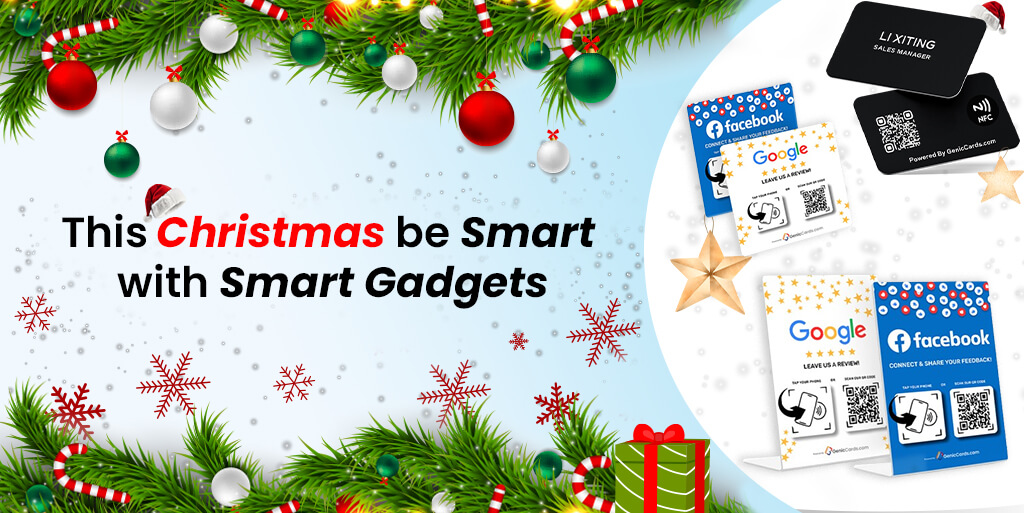
This Christmas Be Smart with Smart Gadgets

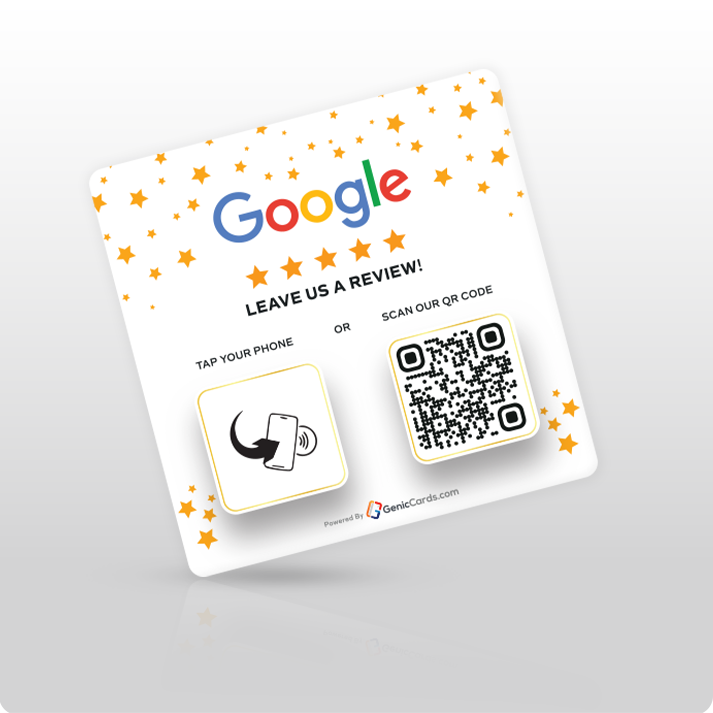
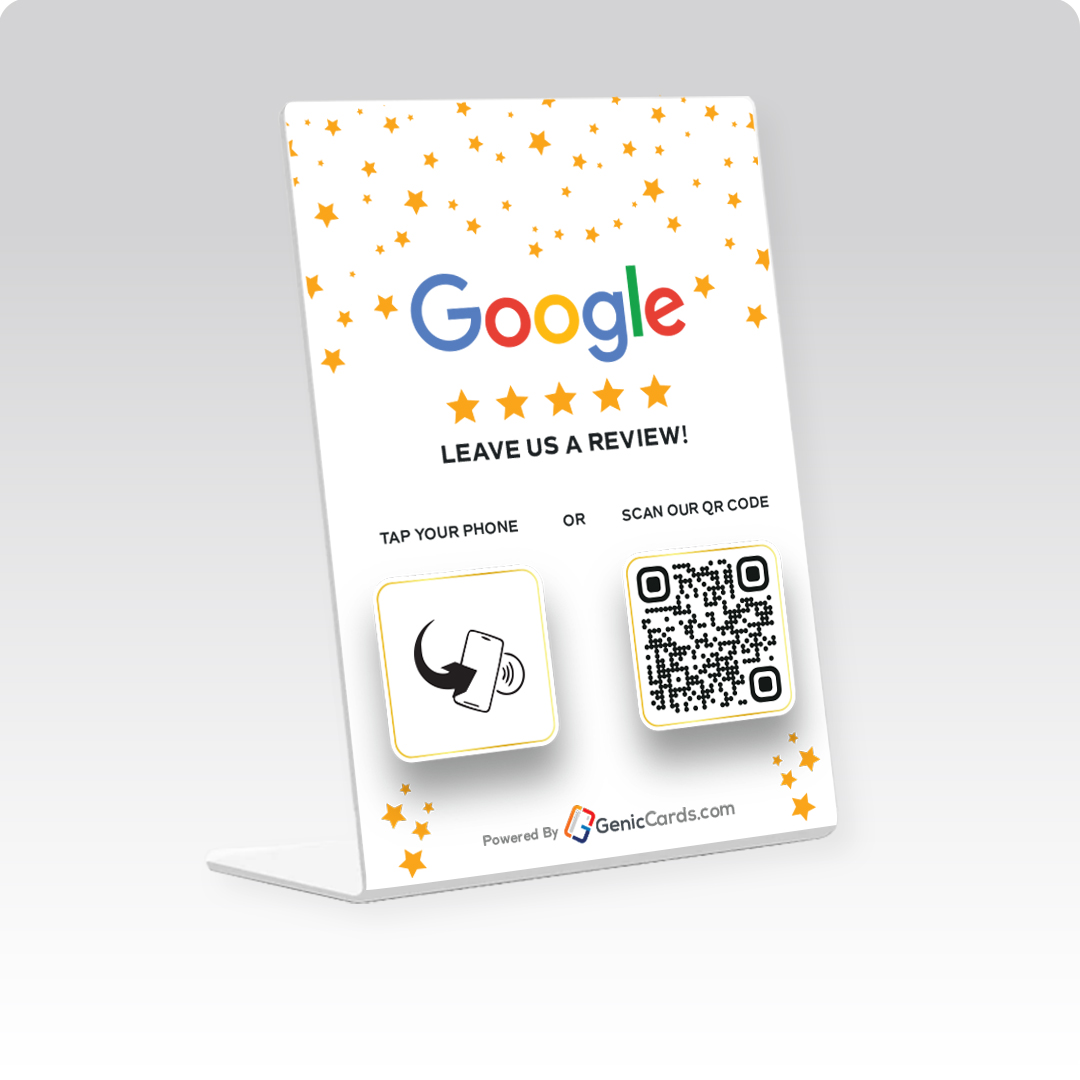
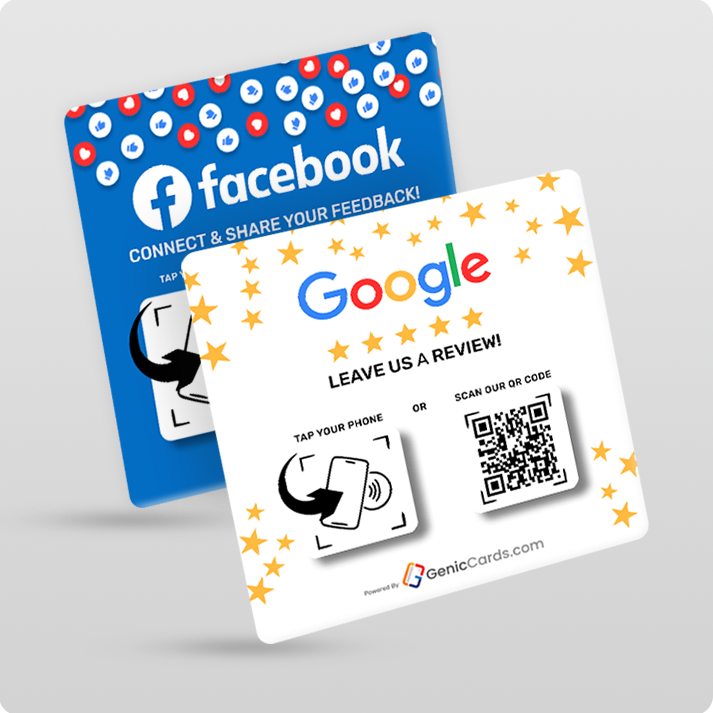
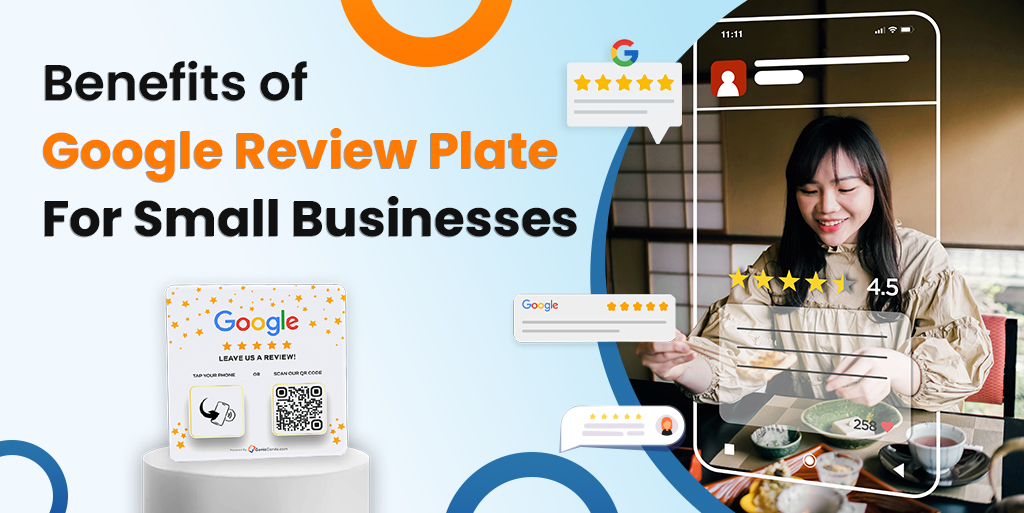
As Christmas draws near, it’s time to find the perfect gift for colleagues, clients, or your boss. You’ll want something thoughtful, practical, and memorable. This year, step away from traditional gifts and embrace innovation. Opt for presents that combine professionalism with technology, such as NFC Digital Business Cards, Google Review Stands, Google Review Mini Standees, Google Review Keychains, Facebook Review Stands, and Google Review Cards.

Traditional Christmas corporate gift ideas are often predictable, but with smart gadgets, you can deliver utility, modernity, and style in a single package. These innovative gadgets enhance business operations while leaving a lasting impression, making them the ideal choice for corporate gifting this holiday season.

Why Smart Gadgets Are the Ideal Christmas Gift

With the increasing adoption of digital technology, smart gadgets like NFC business cards, Google Review Stands, Mini Standees, Review Keychains, and Facebook Review Stands stand out as exceptional holiday corporate Christmas gifts.

NFC Digital Business Cards

Metal Card-003Metal Card-003

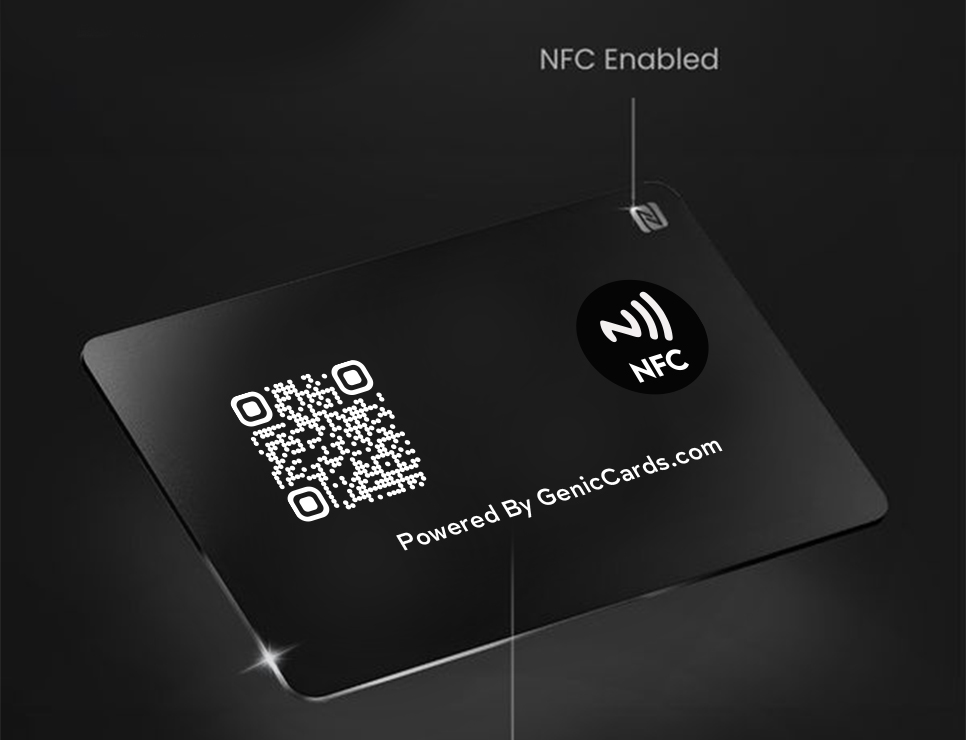
NFC digital business cards are a modern upgrade from traditional paper cards. As the world moves towards eco-friendly and efficient solutions, these cards provide a smarter way to network.

Google Review Gadgets

1. Google Review Mini Standees

For smaller workspaces or portable setups, Google Review Mini Standees offer all the benefits of traditional stands in a compact design.

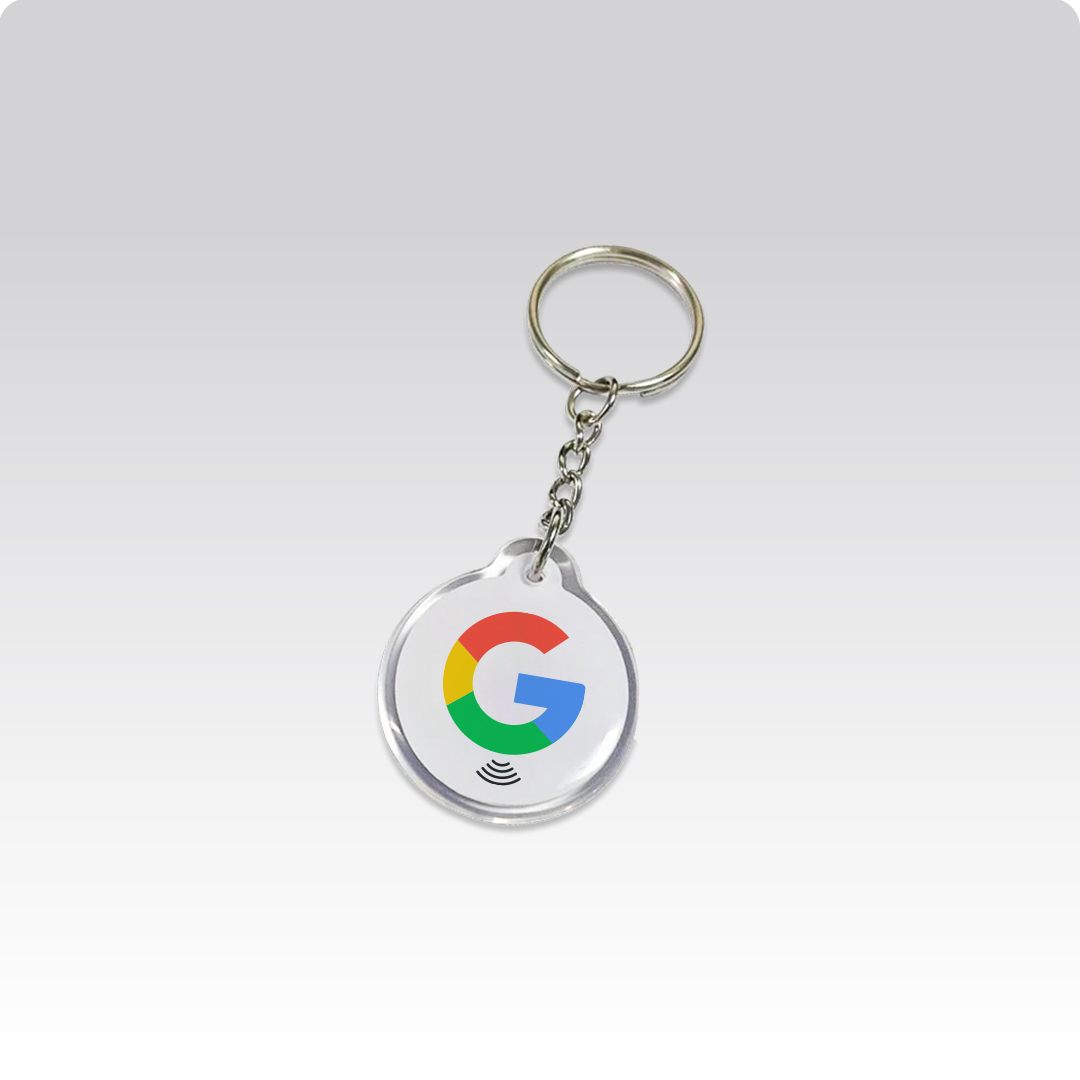
2. Google Review Keychains

Google Review Keychains bring reviews to a whole new level of accessibility. These portable gadgets ensure businesses can request reviews anytime, anywhere.

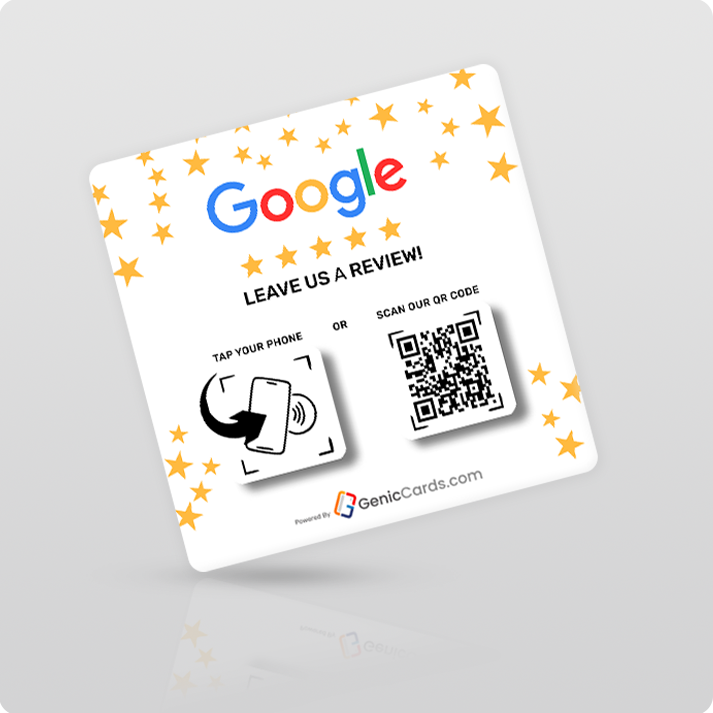
3. Google Review Cards

Google Review Cards provide a seamless and interactive way to boost reviews.


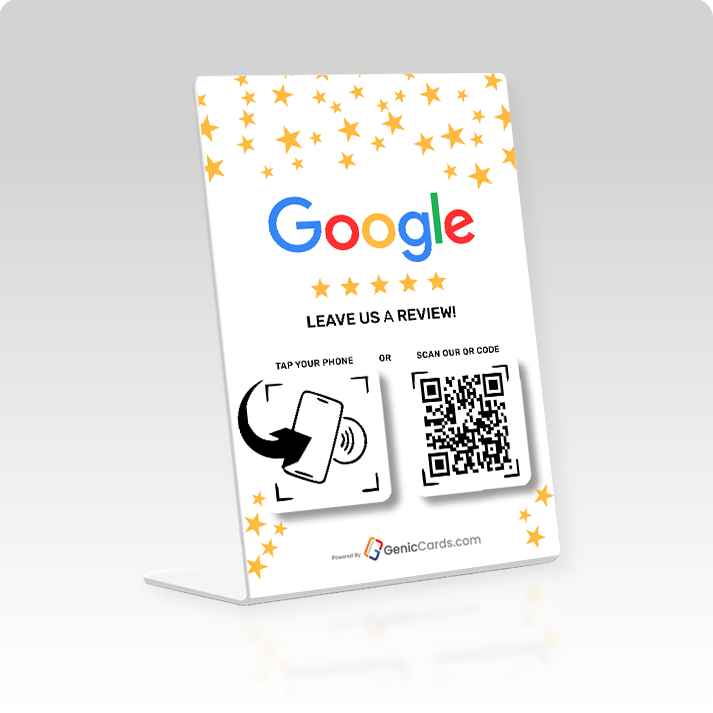
Google and Facebook Review Stands or Plates

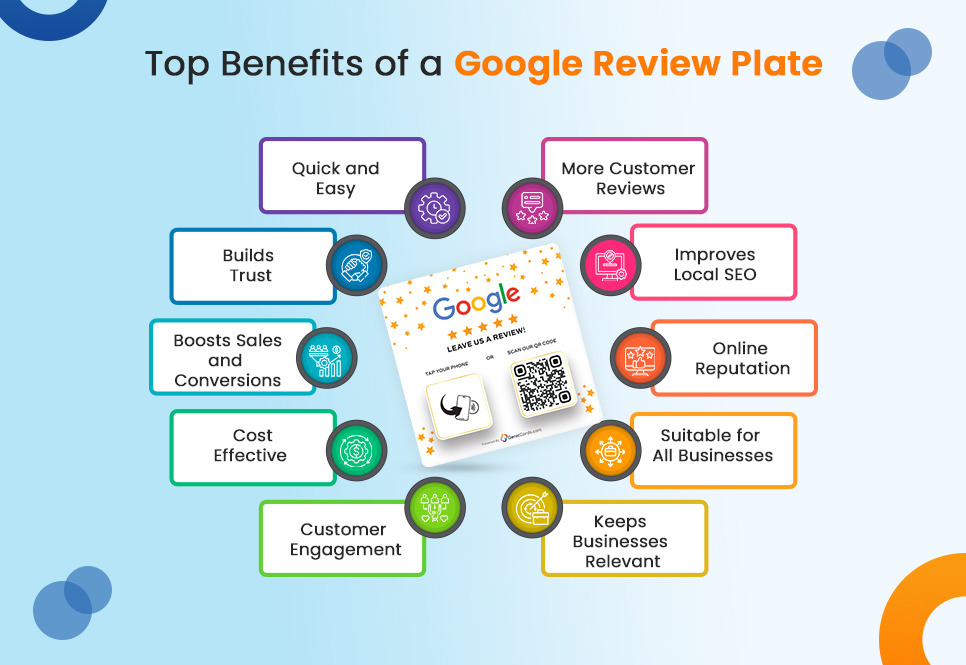
Online reviews are crucial for businesses, and review stands or plates simplify the process of collecting them. These gadgets make it effortless for clients to leave reviews by providing direct access to Google or Facebook pages. They are stylish, compact, and designed to fit seamlessly into any workspace. By encouraging customers to share their experiences, these gadgets help businesses boost their online presence while fostering customer loyalty.

Corporate Christmas Gifts: Why Choose Smart Gadgets?

When selecting the best corporate Christmas gift ideas, it’s essential to pick something that is both useful and thoughtful. Here’s why smart gadgets like NFC digital business cards and review stands are excellent choices:

  1. Show You’re Ahead of the Curve: These gifts demonstrate modern thinking and technological awareness, leaving a strong impression.
  2. Enhance Networking and Engagement: NFC cards simplify contact sharing, while review stands encourage customer interaction.
  3. Branding Opportunities: Customise these gadgets with your company’s logo or message to make them a powerful marketing tool.
  4. Memorable and Useful: These gifts are practical and innovative, ensuring they’ll be appreciated and used regularly.

The Benefits of These Gadgets for Professionals

Smart gadgets go beyond novelty; they offer practical advantages that make them ideal for corporate gifting.

NFC Digital Business Cards

Google and Facebook Review Stands or Plates

Conclusion: Make Christmas 2024 Special With Smart Gadgets

This Christmas, think beyond the usual gifts and choose something that blends practicality with innovation. Corporate holiday gifts for clients, like NFC Digital Business Cards, Google Review Stands, and Facebook Review Stands, are not just tools; they’re gifts that empower professionals, enhance efficiency, and promote sustainability. These gadgets are ideal for corporate Christmas gifts, whether for clients, colleagues, or business partners.

At Genic Cards, we specialise in crafting customisable, sleek, and highly functional smart gadgets that make lasting impressions. This holiday season, be smart and thoughtful with your gifting. Show your recipients you care about their success and their future.

Happy Holidays! 🎄

Effective Personal Branding Tips for Freelancers

As a freelancer, your brand represents your professional identity. Strong personal branding can distinguish you and magnetize the clients you seek. When clients look for freelancers, they don’t just examine skills; they assess you as a whole. A compelling personal brand ensures they instantly recognize your worth.

Let’s explore effective personal branding tips to help you reveal and amplify your unique strengths as a freelancer.

1. Identify Your Unique Selling Points (USPs)

Your Unique Selling Points (USPs) define the core of your brand. They highlight what makes you stand out. Reflect on your talents, experiences, and distinctive qualities. What special perspectives or skills do you bring? Are you known for meticulous work or a creative approach? Make a list of these strengths and use it to shape your brand message.

2. Build a Unified Online Presence

portfolio

Effective personal branding often begins online, where clients are likely to first encounter you. Ensure a cohesive online presence across all platforms—LinkedIn, portfolio sites, and your website. Keep the same profile photo, tagline, and bio. Consistent details strengthen your identity and make you recognizable.

On LinkedIn and social media, strike a tone that’s professional yet inviting. Aim to appear both approachable and credible. If possible, use the same username or handle across platforms. This reinforces your brand and makes it easy for clients to find you.

3. Craft a Powerful Portfolio

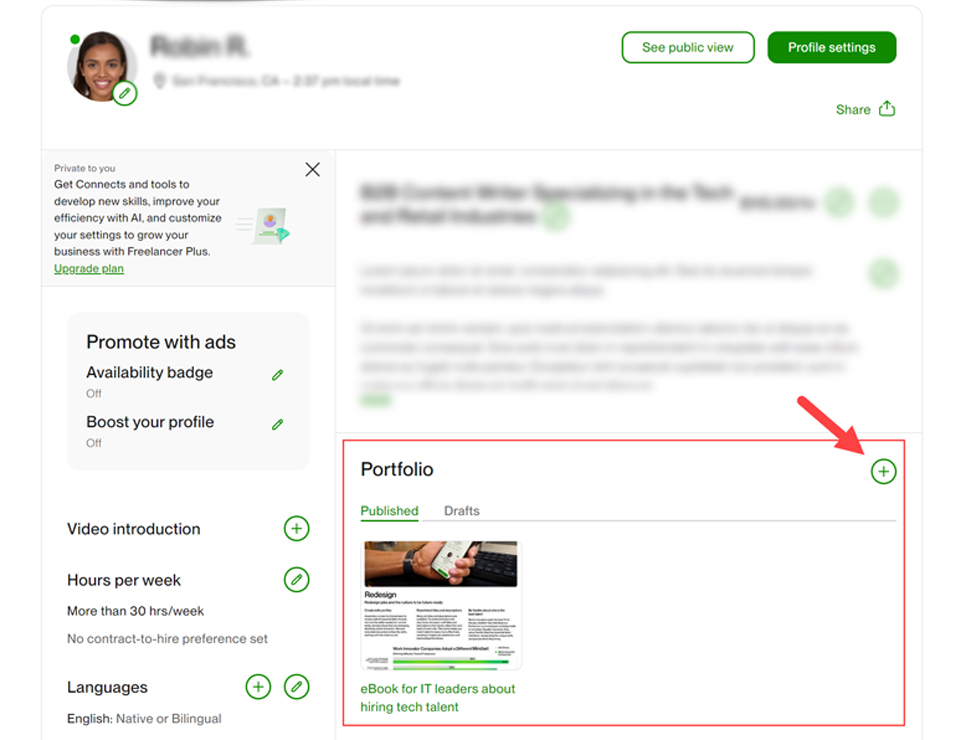
Your portfolio is your primary marketing tool. It showcases your work quality, capabilities, and expertise. Include case studies to give clients a window into your process, skills, and problem-solving abilities.

Each project should include specific details demonstrating your skills. Highlight unique problems you solved or unusual approaches you took. A well-crafted portfolio strengthens your brand message and gives clients solid proof of your talent.

4. Design a Digital Business Card

digital business card

In the digital age, a well-designed business card can create a lasting impression. It offers clients an easy way to remember you even without in-person interaction. Digital business cards combine convenience with professionalism.

Make sure your card includes:

You can share this digital tool via email or social media. It’s a sleek addition to your brand that makes you accessible and memorable.

5. Network Genuinely

Networking remains one of the most powerful methods to build your brand. Approach networking with authenticity, not as a sales pitch. Join industry groups on LinkedIn, attend virtual events, and connect with people who share your interests.

Show genuine interest in others rather than focusing on self-promotion. Meaningful networking builds connections that often lead to opportunities. When you focus on real relationships, people are more likely to remember and recommend you.

6. Share Insightful Content

Creating and sharing insightful content in your field builds your brand credibility. This can include blog posts, LinkedIn articles, or quick industry tips. Share your thoughts, insights, and relevant experiences without overselling yourself.

For instance, if you’re a freelance graphic designer, share your views on design trends, why certain styles work, or tips for better design. Regular content sharing amplifies your visibility and shows clients you’re engaged in your industry.

7. Collect and Showcase Testimonials

testimonial

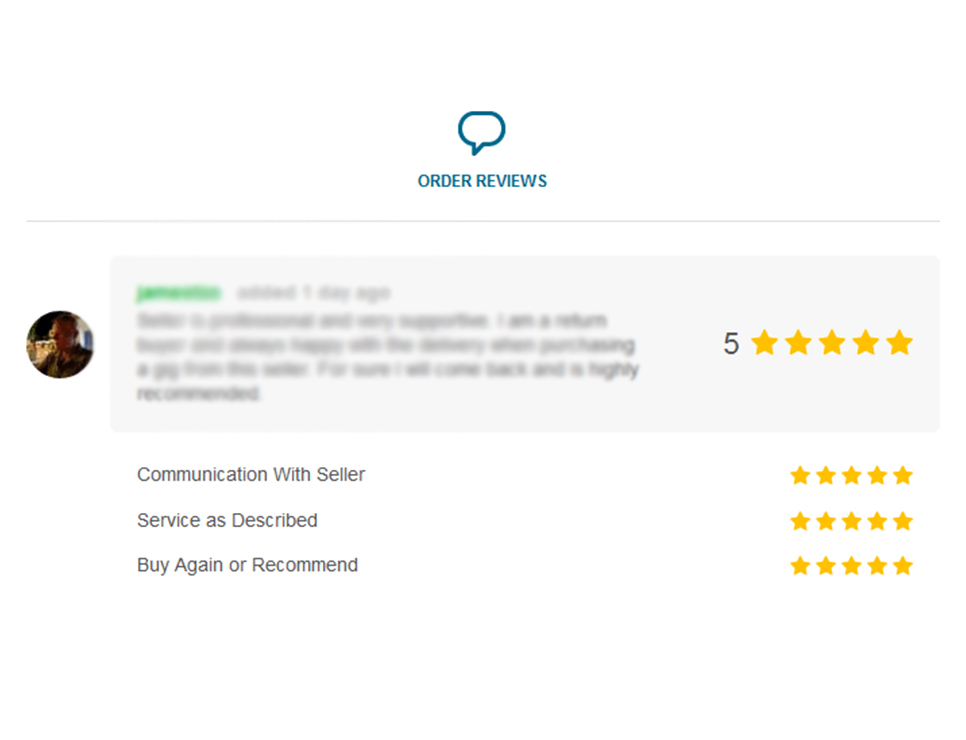
Testimonials serve as powerful social proof. After each project, ask clients for feedback to share on your portfolio, LinkedIn, or website.

Testimonials offer reassurance that you deliver quality work and have a track record of success. Positive feedback from clients boosts your credibility and builds trust in your brand. Testimonials don’t just promote your skills; they build a bridge between you and future clients.

8. Use Professional Imagery

A professional profile picture and clean, high-quality imagery reinforce your credibility. Invest in a polished photo that reflects your style and personality. Visual branding, from your website to profile images, matters.

If you have a website, ensure that the visuals align with your brand colours and values. Consistent, clean visuals add a layer of professionalism that potential clients will notice. Imagery often conveys as much about your brand as words.

9. Pursue Learning and Show Your Growth

Personal branding isn’t a one-time project; it’s a lifelong process. Clients appreciate freelancers who stay updated and continuously grow. Share your progress by talking about courses, certifications, or skills you’ve recently added.

Let clients know you value improvement and adapt to change. When you showcase learning, you highlight yourself as a proactive, forward-thinking professional. This reassures clients that you can meet evolving demands and rise to new challenges.

10. Reveal Your Personality

A vibrant personal brand includes personality. Don’t hide who you are; show it. Use your quirks, preferences, and unique style to connect authentically. Whether it’s a positive outlook or a unique design approach, let that shine.

Clients like working with freelancers who feel approachable and relatable. Share personal stories or relevant experiences to let clients see the real you. Such openness creates a strong bond between your brand and your clients, making them feel they’re connecting with a person, not just a brand.

11. Offer Your Unique Perspective

Your view of your industry may differ from others. Don’t hesitate to share it. Maybe you approach projects in an unconventional way or have ideas for improvement. Sharing your perspective shows confidence in your skills.

If you’re a freelance writer, for instance, explain why you structure projects the way you do or the methods you follow. These insights highlight your understanding of your craft and show clients why they should choose you. Confidence in your perspective reassures clients of your expertise.

Final Thoughts

Building a personal brand takes patience and intention, but the rewards are worth it. It’s your chance to showcase what makes you unique and give clients a reason to trust you. Focus on consistency, authenticity, and real connections. With these strategies, you can craft a brand that attracts clients who appreciate your skills and personality.

Remember, effective personal branding is more than logos or catchy taglines. It shapes the perception clients will remember. When you implement these steps, you elevate your brand and foster a steady stream of clients who see your real value.

Tips for Building Strong Business Connections

Building solid business connections can propel your career to new heights. From expanding your client list to discovering key mentors, the right network opens doors. But building these connections requires more than exchanging business cards. It takes strategy, communication, and authentic interaction.

Here’s a guide to cultivating meaningful, lasting business relationships.

1. Start with Clear Networking Goals

Clarity powers effective networking. Instead of rushing to meet everyone, focus on meeting the right people. Establish clear networking goals. Think about what you want from your connections: clients, collaborators, or mentors.

Define what a strong connection means for your career:

With clear goals, you can navigate networking events and platforms with purpose.

2. Act Authentically and Show Genuine Interest

Authenticity counts. Avoid pushing an agenda or promoting yourself too quickly. When meeting someone new, focus on their story. What drives them? What challenges do they face? Ask questions that let them reveal their expertise.

Every person has value to offer. When you show genuine interest, others often respond in kind. This can lead to deeper, more lasting connections.

3. Build an Online Presence for Your Business

Today, an online presence for your business serves as your first impression. Social media profiles and company websites showcase who you are. They allow people to learn about you before they even meet you.

Ensure your online presence:

Consistently update your online platforms to reflect your latest projects and knowledge. Building an online presence often does a network for you, attracting people who search for services like yours.

4. Embrace Digital Business Cards

Digital business cards are practical and eco-friendly. They eliminate printed cards and allow you to customise your contact information. Digital cards enable you to include social media, websites, and contact details.

Use digital business cards to connect with people worldwide. When someone connects with you, send your card immediately. It helps you make a lasting impression. Many affordable tools exist to create these cards, allowing for brand-appropriate design.

5. Attend Industry Events, Both In-Person and Online

Industry events create powerful networking opportunities. These gatherings attract like-minded professionals, allowing you to discuss ideas, trends, and innovations. Virtual events expand these opportunities.

Attend both in-person and online events. For virtual events, prepare your space as if meeting in person. Dress professionally, have a clean background, and check your camera and microphone. After the event, connect with contacts on LinkedIn or by email. Following up preserves the connection and builds momentum.

6. Follow Up but Don’t Overdo It

After meeting someone, a follow-up strengthens the bond. Keep follow-up messages relevant and brief. Let the person know you enjoyed the conversation and, if appropriate, suggest how you’d like to work together. Share value in your message, such as an article or resource.

Avoid overwhelming follow-ups. Respect their time and remember that networking builds over time. Think of it as planting seeds, not pushing for immediate gains. If they don’t respond, that’s fine—engage with their social media content or reconnect at future events.

7. Share Your Expertise Freely

One of the most effective ways to build connections is by showing your expertise without holding back. Share your insights through articles, videos, or posts. Offer advice when asked and share what you’ve learned openly. This builds trust and positions you as a credible source.

LinkedIn, Twitter, or even a personal blog make great platforms for this. When people see you sharing your knowledge openly, they’re more likely to reach out. Expertise attracts, often leading to unexpected connections and opportunities.

8. Engage Regularly on Social Media

Social media enhances networking if you use it wisely. Rather than just liking posts, join discussions, share relevant content, and contribute to conversations. Comment on posts from people in your network, share insights and create content that shows your knowledge.

Building a strong online presence for your business requires consistent engagement. Aim for frequency over perfection. Every interaction presents a chance to deepen a connection.

9. Be Generous with Referrals

When you meet someone who could benefit from a connection within your network, make an introduction. Referrals often become bridges to stronger business connections. This also shows that you look out for others, which fosters goodwill in return.

For instance, if you meet someone seeking web design help and you know a reliable designer, connect with them. This simple gesture nurtures your network and adds value for everyone involved.

10. Join Networking Groups and Communities

Online and offline groups provide rich networking opportunities. Whether it’s an industry forum, a Facebook group, or a business association, these communities connect you with like-minded professionals. Join groups that align with your interests and goals.

Be active in these spaces. Offer advice, share insights, and engage in discussions. Avoid only promoting your services, as this can feel self-centred. Instead, focus on building relationships, which often lead to business opportunities naturally.

11. Stay Open to Learning

Networking involves as much listening as speaking. Remain curious and open to learning from others. Ask questions, attend workshops, and seize chances to develop new skills. You never know who might inspire you or teach something valuable. People often remember those who show genuine interest in learning from them.

12. Make It Easy for Others to Connect with You

Finally, let people know how to reach you. Whether it’s a clear contact form on your website, links to social profiles, or a direct email, make yourself accessible. No one wants to struggle to get in touch.

This applies to networking events as well—inform people about the best way to connect afterwards. Offering multiple contact options allows others to choose what works best for them.

Final Thoughts

Building business connections takes time, but the rewards are invaluable. Start with clear goals, demonstrate genuine interest, and craft a professional online presence. Be consistent and generous in your interactions. Each conversation, whether online or face-to-face, represents a step toward creating a powerful, lasting business network.

Lead Scoring – A Complete Guide

Lead scoring plays a key role in business strategy. It helps you identify and prioritise leads most likely to convert. With lead scoring, sales and marketing teams rank leads by assigning values based on interest level and fit. This guide will simplify the essentials of lead scoring, helping you understand its benefits, create a system, and avoid common mistakes.

Let’s get started!

What is Lead Scoring, and Why Does it Matter?

Lead scoring helps sales and marketing teams rank prospects based on their readiness to become customers. By giving scores or grades to each lead, teams can zero in on those with the highest potential to buy. They rank leads using details like demographics, online actions, engagement levels, and any interaction with a company’s content or team.

Lead scoring matters because it boosts the impact of sales and marketing. It helps teams spot top leads faster and avoid wasting time on low-potential ones. With lead scoring, teams can send each lead relevant offers and content. This approach raises conversion rates, shortens sales cycles, and increases returns on marketing investment (ROI).

Building a Lead Scoring System in Six Simple Steps

Creating lead scoring may seem complicated, but these steps can help you build an effective, simple system tailored to your business.

  1. Define Your Ideal Customer Profile (ICP): Start by picturing your ideal customer profile. Develop detailed buyer personas from data and insights provided by your sales team. Identify traits of high-quality leads. This clarity helps you rank leads effectively.
  2. Assign Scores Based on Demographics: Demographic factors, like job title, industry, and company size, offer clues about the chance of conversion. For example, if you focus on small tech firms, a lead from a large manufacturing company may not score highly. Use demographic values that match your ICP to bring relevant leads to the top.
  3. Score Based on Behavioural Data: Behavioural actions—like downloading a white paper, attending a webinar, or visiting a product page—signal interest. Behavioural scoring helps capture these actions to evaluate a lead’s readiness to buy. Research shows that companies using behavioural scoring gain more sales-ready leads at a lower cost.
  4. Create a Service-Level Agreement (SLA): An SLA management is an agreement between marketing and sales on handling leads, determining “sales-ready” qualifications, and setting response timelines. For example, leads scoring above a certain level should receive a sales follow-up within a day.
  5. Use Lead Scoring Tools: Many CRM systems, such as CRM software Singapore or other customer relationship management tools, support lead scoring. These tools capture and manage lead data, ensuring accuracy and consistency.
  6. Refine Your System Regularly: Lead scoring doesn’t end once set up. Routinely assess and adjust your scoring model using performance data and feedback from sales. This keeps lead scoring aligned with changing business goals.

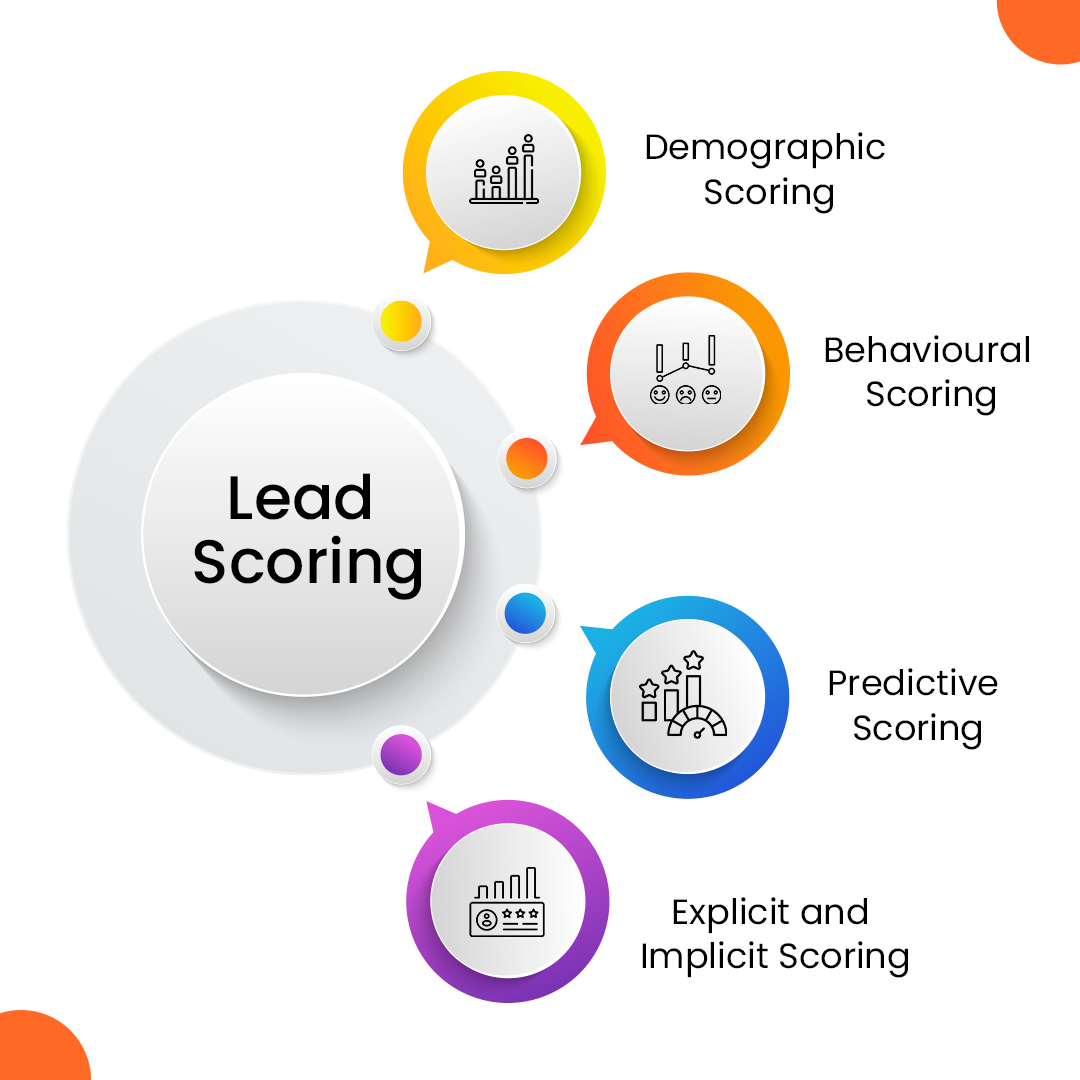
Types of Lead Scoring

lead scoring infographic

Not all scoring methods are created equal. Here’s a look at different types that can be customised to suit your business needs:

Key Components of a Successful Lead Scoring System

A good lead scoring system should be straightforward and based on the following components:

  1. Clear Criteria and Definitions: Set clear definitions for what qualifies as a “marketing-qualified lead” (MQL) and a “sales-qualified lead” (SQL). Having shared definitions ensures that marketing and sales are aligned on when to pass a lead along.
  2. Relevant Data Points: Collect data that matters. CRM software in Singapore can help capture accurate data from leads directly, enhancing the scoring process. Avoid adding irrelevant information to keep your scoring model simple.
  3. Weighted Scores: Not all interactions should be valued equally. For instance, visiting your pricing page might weigh more than simply downloading an e-book. Assign different weights to each action based on its impact.
  4. Real-Time Tracking: Use analytics tools that allow for real-time tracking of lead behaviour. Real-time data helps teams act promptly on high-value leads, increasing the chances of conversion.
  5. CRM Integration: CRM integration keeps your lead data accessible and updated. Integration also reduces manual entry errors and makes the sales process smoother.
  6. Continuous Improvement: Regularly collect feedback and refine your lead scoring system. Lead preferences may evolve, so your scoring criteria should evolve too.

Common Pitfalls and How to Avoid Them

Lead scoring can transform your marketing approach, but it’s important to be aware of common challenges:

  1. Inconsistent Data Quality: Low-quality data undermines the scoring process. Regularly clean your data and use real-time capture tools to improve accuracy.
  2. Overly Complex Scoring Models: Complex models can become confusing and hard to manage. Start with a basic model focusing on the most critical factors, and add layers of complexity over time.
  3. Sales and Marketing Misalignment: If sales and marketing disagree on what qualifies as a high-quality lead, your efforts may be wasted. Align your teams by defining clear criteria in an SLA.
  4. Ignoring Lead Nurturing: Scoring alone won’t close deals. Make sure you nurture high-scoring leads with personalised content and follow-up actions to keep them engaged.
  5. Not Leveraging Predictive Analytics: Predictive scoring can enhance accuracy by identifying leads with a high probability of conversion. If available, integrate this with your scoring model.

Best Practices for Lead Scoring Success

  1. Define Clear Scoring Criteria: Identify the factors that matter most. This clarity can result in improved conversion rates by focusing on the right characteristics.
  2. Combine Explicit and Implicit Data: Using both types provides a fuller view of lead potential. For example, job title and industry are useful, but activity on your website gives an idea of readiness to buy.
  3. Refine Your Model Regularly: The market changes, and so do your ideal leads. Keep your scoring system up-to-date by reviewing and adjusting it frequently.
  4. Automate Where Possible: Automate lead scoring to save time and improve accuracy. CRM software integration can facilitate this, ensuring your team always has current lead information.
  5. Nurture Leads Based on Scores: Segment high-value leads and create tailored nurturing workflows. This approach has been shown to increase email engagement and conversion rates.

Conclusion

An effective lead scoring system aligns marketing and sales, focusing attention on the leads most likely to become customers. When implemented well, lead scoring can boost conversion rates, maximise your CRM system’s effectiveness, and improve your overall marketing ROI. By starting with a simple model and refining it over time, you can build a scoring system that scales with your business.

Remember, lead scoring isn’t a one-time setup; it’s an evolving strategy. With continuous improvement and alignment between departments, your lead scoring system will serve as a powerful tool in your business’s growth strategy.

How Genic Cards Can Help in Saving Your Money

Nowadays, businesses constantly seek ways to cut unnecessary expenses and embrace new technologies. One area undergoing significant transformation is how companies and individuals manage their networking and branding materials. Traditional business cards, while still common, often become costly and inefficient over time. That’s where Genic Cards come into play—a modern, digital alternative that not only streamlines networking but also reduces expenses.

This blog will delve into how Genic digital business cards minimize costs while improving efficiency. We’ll also explore how digital business cards outperform their physical counterparts and why now might be the perfect time for you to make the switch.

The Hidden Costs of Traditional Business Cards

Most people rarely consider the true cost of physical business cards. The initial price per card may seem low, but over time, the expenses pile up, especially for businesses providing cards for multiple employees. Here’s a look at the often-overlooked costs of printed cards:

  1. Design and Printing Costs: Crafting a professional business card takes time, and often, outside help. Once you settle on a design, printing costs can quickly escalate. Whether you order a few or many, the business card cost often surprises, particularly for larger orders.
  2. Reprinting Due to Updates: Contact information, job titles, and company branding evolve. This means frequent reprints, which increase the business card cost over time.
  3. Environmental Impact: Printing thousands of cards consumes paper and ink, affecting the environment. Trees get cut down, and the manufacturing process consumes significant resources. For companies aiming for sustainability, this becomes a growing concern.
  4. Logistics of Distribution: Once printed, business cards need distribution. Sending them to employees worldwide racks up shipping expenses and may lead to delays.

Genic Cards: A Smart, Cost-Effective Solution

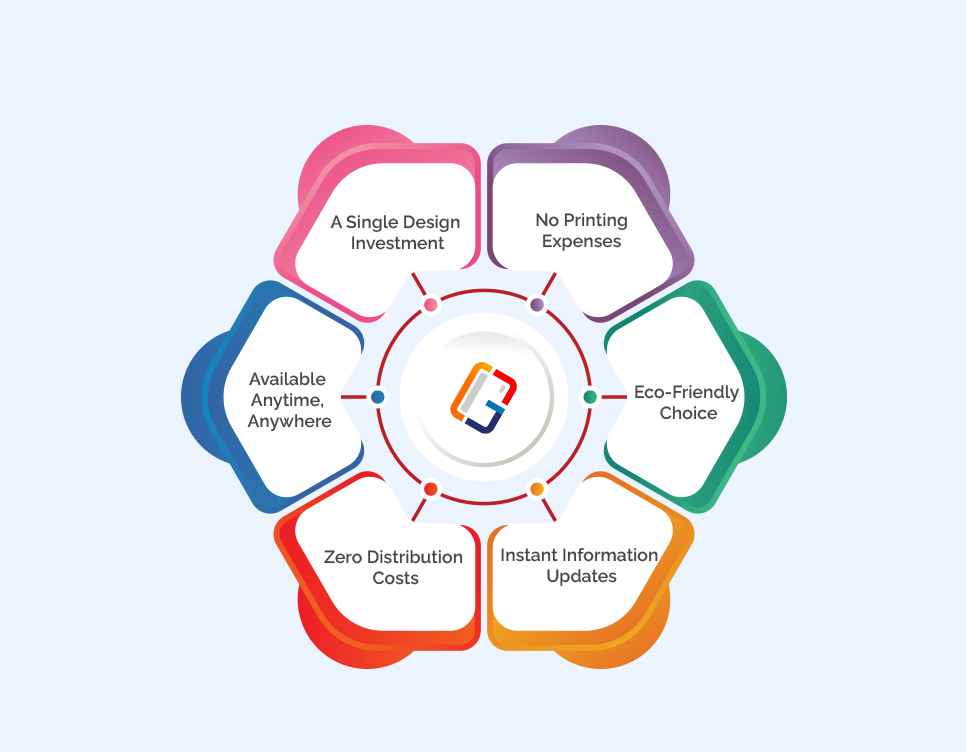
genic cards benefits

Now that we’ve explored the hidden costs of traditional business cards, let’s see how Genic Cards, a digital business card solution, save money while enhancing efficiency.

1. A Single Design Investment

With Genic, you design your card once. No need for constant reprints. As your contact information changes, you update your digital business card instantly, avoiding the recurring cost of reprinting.

2. No Printing Expenses

Since Genic digital business cards function digitally, printing costs vanish. That’s a major advantage over traditional methods. There’s no bulk order to secure a discount, nor will you get stuck with outdated cards piling up in storage.

3. Eco-Friendly Choice

Switching to Genic Cards not only saves money but also helps the environment. With no paper or ink required, you reduce your ecological footprint. More businesses today value eco-friendly practices, and your clients or partners may appreciate this sustainable shift.

4. Instant Information Updates

With Genic Cards, updating information happens instantly. A new title or updated phone number? No problem. You adjust the card in seconds, ensuring everyone in your network stays current with your latest details. This prevents confusion and strengthens professional relationships.

5. Available Anytime, Anywhere

Your Genic Card remains accessible from any device, whether you’re at a conference or on the go. Instead of carrying a stack of physical cards, you share your information digitally through a text, email, or QR code. This flexibility eliminates the need to reorder when supplies run low, saving time and money.

6. Zero Distribution Costs

When you move to a digital format, mailing and shipping expenses disappear. Genic Cards transmit instantly, anywhere in the world. This becomes especially beneficial for global clients or when attending international events.

How Genic Cards Work

Genic digital cards keep things simple while offering customization. Here’s how it works:

  1. Create Your Card: Crafting your Genic Card involves a few straightforward steps. Whether you prefer a professional or creative look, the platform provides templates to match your brand.
  2. Share Your Card: Once ready, share your Genic Card using various methods: QR code, email link, or messaging platforms. This versatility makes sharing easy with anyone, regardless of their preferred communication style.
  3. Keep It Current: Log in anytime to update your information. It reflects changes instantly, ensuring your contacts always receive accurate, up-to-date details.
  4. Analyze and Track: With digital business cards, you can track views and interactions. It provides data on who viewed or saved your card, offering useful insights for follow-ups and evaluating the success of your networking efforts.

The Long-Term Benefits of Switching to Genic Cards

Switching to Genic Cards doesn’t just offer short-term savings; the long-term benefits make them an ideal choice as the business world shifts toward digital solutions and sustainability.

Conclusion

As businesses continue evolving and adapting to the digital age, their networking tools must follow suit. Genic Cards present a forward-thinking, efficient, and environmentally friendly solution to traditional business cards. Not only do they minimize costs related to design, printing, and distribution, but they also simplify networking and offer the flexibility to update information on the fly.

If you still rely on printed business cards, consider the advantages of making the switch. With Genic Cards, you’ll not only make your business card digital but also position yourself and your business for the future—saving both time and money while doing so.

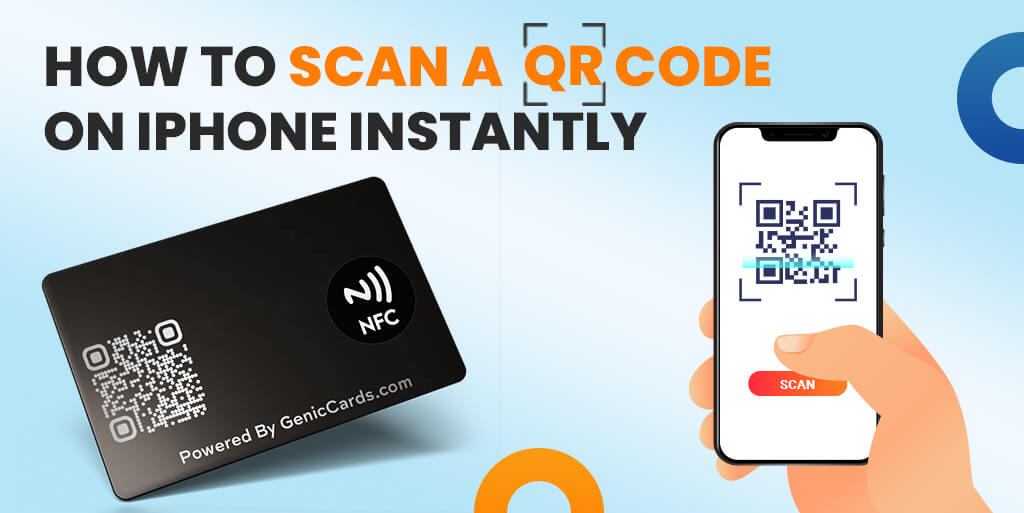
How to Scan a QR Code on iPhone Instantly

QR codes have become a common way to share information. From restaurant menus to product details, they provide quick access with a scan. With iPhones, scanning QR codes is simple. You don’t need any third-party apps because the iPhone camera has built-in functionality to scan them instantly.

This guide will show you how to scan QR codes on your iPhone quickly and efficiently.

What is a QR Code?

A QR code is a type of barcode that stores data in a grid of squares. Unlike traditional barcodes, it can hold more information, such as links, contact info, or payment details. Many businesses use QR codes for quick digital interactions. For your digital business card, it can direct potential clients to your website, email, or social media.

Step-by-Step: Scanning a QR Code on an iPhone

Here’s how do you scan a QR code with an iPhone:

  1. Open the Camera App: The first step is to unlock your iPhone. Then, go to the home screen and open the camera app. Every iPhone comes with this app pre-installed, so there’s no need for any downloads.
  2. Position the Camera Over the QR Code: Once the camera is open, position it over the QR code you want to scan. Ensure the entire QR code fits within the viewfinder. You don’t need to press any buttons or take a photo; the iPhone’s camera automatically recognizes the QR code.
  3. Wait for the Notification: A notification banner will appear at the top of your screen as soon as the camera detects the QR code. This banner contains the relevant information embedded in the QR code. Usually, it’s a link to a website or other online resource.
  4. Tap the Notification: To access the information, simply tap the notification banner. Your iPhone will open the link in Safari or take you to the specified app. It’s a fast and easy process that lets you interact with digital content instantly.

Why QR Codes Matter for Digital Business Cards

Digital business cards are the future of networking. With the rise of remote work and digital communication, exchanging contact details in a paperless way is essential. QR codes simplify this process.

When someone scans your digital business card’s QR code, they are directed to your personalized link. This could be your website, portfolio, or LinkedIn profile. It’s an efficient way to ensure your contacts have all the information they need to reach out or learn more about your services.

The simplicity of scanning a QR code on an iPhone makes it the ideal solution for professionals who want to stand out. Instead of typing out a long web address, your clients can scan and access your information instantly.

Customizing Your QR Code for Business

As a business owner, it’s crucial to personalize your QR code to suit your branding. A generic QR code works fine, but customizing it can make a stronger impression. You can create a unique QR code that features your brand’s colors, logo, or design elements.

Several online platforms allow you to customize QR codes. These services offer design options that align with your business identity. Once you have a branded QR code, integrate it into your digital business cards. This seamless connection between your business identity and contact information makes a lasting impression.

iPhone Features That Support QR Code Scanning

Apple continues to enhance its iPhone features, and QR code scanning has been part of this evolution. The camera’s ability to detect QR codes without any app downloads is convenient for users. This native support allows iPhone owners to scan a QR code within seconds.

For those who want even faster access to QR code scanning, the Control Center can be customized. You can add the “Code Scanner” feature to the Control Center. To do this, go to Settings > Control Center and tap the green plus icon next to “Code Scanner.” This feature provides a direct shortcut to the QR scanning function, reducing the time it takes to open the camera.

Using QR Codes for Business Efficiency

QR codes offer more than just convenience for personal use. They play a vital role in business operations, especially in marketing and customer engagement. For example, you can place QR codes on flyers, brochures, or business cards to drive traffic to your website. Customers can scan the code and instantly get more information about your products or services.

Moreover, QR codes allow you to track engagement. Some QR code generators offer analytics, which helps you understand how often your codes are scanned and from which locations. This insight allows you to refine your marketing strategies, ensuring better reach and engagement.

Incorporating QR codes into your digital business cards can enhance your networking capabilities. You provide instant access to your business details without the need for additional steps or cumbersome information exchange.

The Future of QR Codes in Business

As more businesses adopt digital solutions, QR codes will likely play an even bigger role in the future. The ability to scan a barcode with an iPhone is not just a trend; it’s becoming a standard way of accessing digital content. The versatility of QR codes makes them ideal for various industries. From retail to education, they offer a simple yet powerful way to connect users to digital information.

For digital business card companies, the adoption of QR codes will continue to grow. Clients appreciate the ease of use, and businesses can benefit from the instant connections QR codes provide.

In the future, QR codes could evolve into even more interactive tools, integrating augmented reality or enhanced customer experiences. The key takeaway is that QR codes are here to stay, and their role in business will only expand.

Best Practices for Using QR Codes

When integrating QR codes into your business cards, keep these best practices in mind:

  1. Make the QR Code Visible: Ensure your QR code is large enough to scan without difficulty. A small or hidden code may cause issues when trying to scan it.
  2. Test the QR Code: Before distributing your digital business cards, test the QR code. This ensures it directs users to the correct destination and that it scans properly.
  3. Choose the Right Placement: Place your QR code where it will be easily noticed. For digital business cards, consider adding it at the top or bottom of the card.
  4. Include a Clear Call to Action: Encourage users to scan your QR code by including a call to action. Phrases like “Scan Here” or “Connect with Me” will prompt recipients to take action.

Conclusion

Knowing how to scan a QR code on an iPhone opens doors for seamless communication. With a few taps, users can access digital content instantly. For businesses, this feature simplifies networking and enhances customer engagement.

By integrating QR codes into your digital business cards, you provide an efficient way for clients to reach your online platforms. Whether directing them to your website, portfolio, or social media, the process is swift and straightforward.

As QR codes continue to grow in popularity, businesses can leverage this technology to improve their digital presence. Start using QR codes today to enhance your professional interactions and make lasting impressions on potential clients.

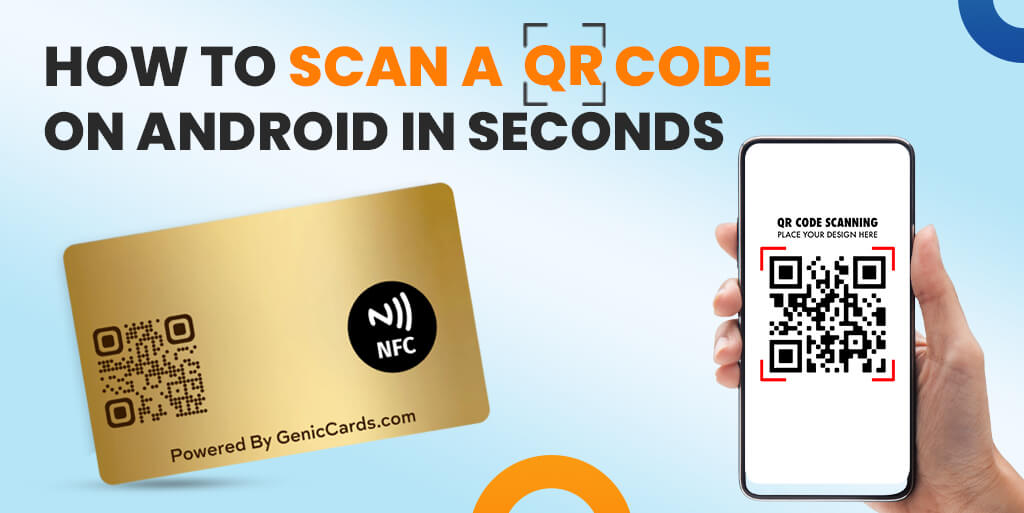
How to Scan a QR Code on Android in Seconds

QR codes have revolutionized how we share and access information. Their compact design allows users to quickly scan and retrieve data, making them essential in today’s digital landscape. From business cards to restaurant menus, QR codes simplify connections and streamline interactions. Android devices, with their built-in camera capabilities and dedicated scanning apps, make it easy to utilize this technology. Whether you want to share contact details or direct someone to your website, knowing how to scan a QR code on Android is a valuable skill.

This guide will help you master the process in just seconds.

How To Scan Code On Android: Step-by-Step Guide

Step 1: Open Your Camera

On most Android phones, you don’t need a special app to scan a QR code. The camera app does the job. Simply unlock your phone and tap on the camera icon. Position the camera to focus on the QR code. Ensure that the code fits within the camera’s frame. Hold steady and wait for the phone to recognize the code.

When the phone detects the QR code, a notification will pop up. This notification will direct you to the QR code’s content. Whether it’s a website, an app link, or contact details, tap on the notification to access it.

Step 2: Download a QR Code Reader App (Optional)

If your phone’s camera doesn’t automatically scan QR codes, you can download a dedicated QR code reader app on Android. Many free apps are available in the Google Play Store. Just search for “QR code reader” and install one of your choices.

Once installed, open the app and use it the same  way as the camera. Point your phone at the QR code, and the app will scan it. The app will then show the relevant information or action linked to the code.

Step 3: Adjust Camera Settings (Optional)

If your Android camera doesn’t scan QR codes on Android automatically, check the settings. Go to the camera settings and look for the QR code scanning feature. Make sure it’s enabled. This small adjustment can save time and make scanning faster in the future.

Step 4: Use Google Lens

Many Android phones come with Google Lens built-in. Google Lens can scan QR codes and provide more information. To use it, open the camera and tap the Google Lens icon. This icon usually looks like a small square with a dot in the center.

Once Google Lens is active, point the camera at the QR code. The app will recognize the code and show its contents. You can then take the necessary action, whether it’s opening a link, saving a contact, or accessing a Wi-Fi network.

Step 5: Scan a QR Code with Google Assistant

Google Assistant is another way to scan QR codes on Android. To use it, activate Google Assistant by saying “Hey Google” or holding the home button. When the Assistant is active, tap the Google Lens icon.

Point the camera at the QR code, and Google Assistant will scan it. A link or notification will appear, guiding you to the code’s content. This method is useful if you’re already using Google Assistant for other tasks.

Step 6: Save Time with Quick Shortcuts

If you often scan QR codes, it’s helpful to add shortcuts. Some Android phones allow you to add a QR code scanner shortcut to the home screen. Check if your device supports this feature.

Another tip is to enable quick access to Google Lens through the camera app. This setting makes scanning fast and easy, without needing to open multiple apps. You’ll be able to scan QR codes in seconds.

Best Practices for Scanning QR Codes

Why Scanning QR Codes is Important

In today’s world, QR codes are used for many purposes. They make it easy to share information, connect with websites, and even complete transactions. For digital business cards, QR codes are especially useful. Instead of typing a URL or entering contact details, users can scan the code to access your information.

For businesses, using QR codes can streamline customer interactions. Whether you’re sharing contact info, directing users to your website, or offering special promotions, QR codes provide a simple solution.

How QR Codes Work

A QR code is a matrix barcode. It stores data in a two-dimensional square pattern. When scanned, this pattern converts into readable information. The data inside the QR code can be a link, text, or command.

When you scan a QR code, the reader decodes the pattern and executes the action. On Android, this can include opening a website, connecting to a Wi-Fi network, or saving a contact. The beauty of QR codes is their versatility. They can store a lot of data, and scanning them takes only seconds.

Key Features of Android’s QR Code Scanning

  1. Fast and Easy: Most Android devices come with built-in QR code scanning. You don’t need extra software.
  2. Accurate: Scanning a QR code with Android is highly accurate. The camera can detect the code quickly and guide you to its contents.
  3. Secure: QR codes are a secure way to share information. The scanning process ensures that you access only what the code is meant to provide.
  4. Accessible: Whether you use the camera, Google Lens, or a third-party app, scanning a QR code on Android is accessible to everyone.

When to Use QR Codes for Your Business

QR codes are particularly effective for business cards. Digital business cards with QR codes allow clients to access your contact details instantly. A scan takes them directly to your portfolio, LinkedIn profile, or business website.

For businesses offering promotions or discounts, QR codes on promotional materials can drive traffic to your site. When placed on posters, flyers, or banners, QR codes are easy for customers to scan and engage with your brand.

QR Codes and Digital Business Cards

In the context of digital business cards, QR codes make sharing information seamless. A user scans the code and instantly receives your details. The process is fast, and it ensures that your contact information is correctly transferred.

For digital business card platforms, having a reliable QR code system is key. The easier it is for clients to scan and access your information, the more likely they are to engage with your business.

Conclusion

Scanning a QR code on Android is simple and quick. With built-in camera features, Google Lens, and third-party apps, there’s no shortage of ways to scan. Whether you’re scanning a code on a poster, business card, or website, the process takes just seconds.

For businesses, QR codes are a powerful tool. They streamline customer interaction and make sharing information effortless. By incorporating QR codes into your business cards, you enhance user experience and create a more engaging way to connect with your audience.

So, the next time you need to share information or direct someone to your site, consider using a QR code. It’s an efficient and modern way to ensure smooth interactions with your customers.

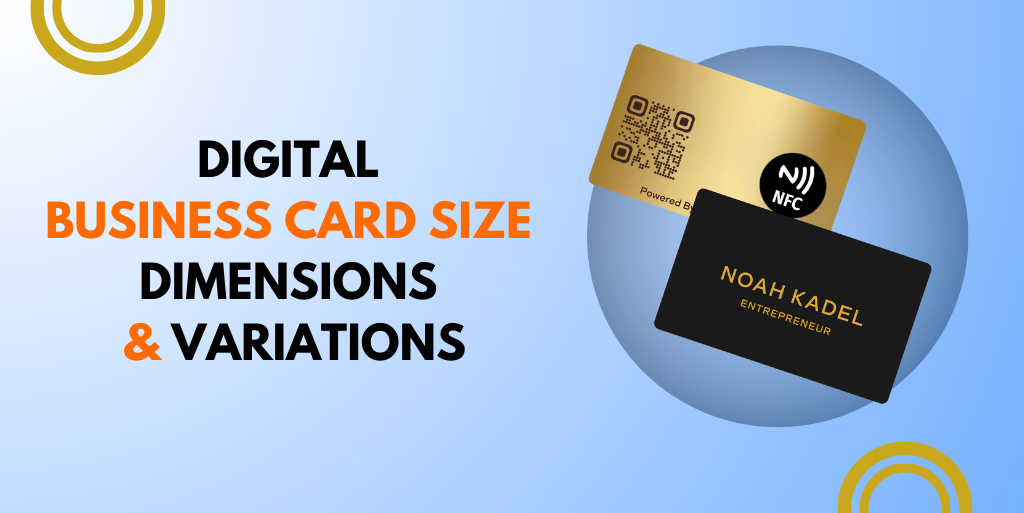
Digital Business Card Size: Dimensions & Variations

Business cards are a critical element of networking. A well-crafted card provides essential contact details and reinforces brand identity. The card’s design and dimensions are important in leaving a lasting impression.

Selecting the appropriate business card size ensures your card is not only informative but also practical to carry and store. Let’s explore how different sizes and shapes of business cards influence their usability and effectiveness in various professional settings.

The Role of Business Card Size

The dimensions of a business card directly affect its functionality. Cards that are too large may become cumbersome, while small ones can lack space for important information. A well-sized card strikes a balance between usability and presentation.

Choosing the right business card dimensions is important because it impacts:

A professional-looking card must be easy to handle and read. The goal is to provide all relevant details while maintaining a clean, simple look.

Standard Business Card Dimensions

Across the world, there are standard business card dimensions that vary slightly by region. Most cards are rectangular, but the exact size depends on local preferences and norms.

In the United States, the standard business card size is 3.5 x 2 inches. This format is widely used because it fits easily into wallets and cardholders. The dimensions allow enough space for key details such as a name, title, and contact information without cluttering the design.

European countries, especially the UK, commonly use 85 x 55 mm cards. The slightly larger format compared to the U.S. standard makes the card easier to handle and allows for more design freedom. It’s also roughly the same size as a credit card, which enhances portability.

In Japan, business cards hold significant cultural importance. Known as “meishi,” these cards typically measure 3.54 x 2.13 inches. The exchange of business cards in Japan follows specific etiquette, making their size and design important for maintaining professionalism.

These variations show that business card dimensions are influenced by cultural and practical factors.

Custom Size Business Cards for Uniqueness

While many professionals stick to standard card sizes, some opt for custom-sized business cards. Custom designs are great for those who want to make a distinctive impression. Unique shapes or sizes can highlight creativity and innovation.

However, there are some downsides. Non-standard cards may not fit in traditional holders, which could make them inconvenient for clients or colleagues. The extra printing cost for unusual shapes can also be higher.

Common custom shapes include:

When choosing custom sizes, balance creativity with practicality. The card should be easy to carry and professional in appearance.

Technical Considerations: Bleed, Trim, and Safety Lines

Designing a card involves more than simply picking a name card size. The technical aspects of printing play a key role in the final result. Understanding bleed, trim, and safety lines ensures that your design looks polished and professional after printing.

Proper planning for these elements can save your design from errors during production.

Business Card Measurements: How Thickness Influences Perception

Business cards vary not only in size but also in thickness. The thickness of a card impacts its durability and the perception of your brand.

Cards are measured in points (pt), with higher numbers indicating thicker cards. Common thicknesses include:

Thicker cards are more durable and create a stronger impression. However, they are often more expensive to print. Choosing the right thickness depends on your brand’s needs and your budget.

Materials and Finishes for Business Cards

The material and finish you choose can also influence how your card is perceived. The standard material is cardstock, but many brands opt for other materials to create a more distinct look and feel.

Popular finishes include:

The finish of the card should align with your brand. For example, a high-end fashion brand might opt for a matte or textured finish, while a creative agency might prefer the vibrant look of glossy cards.

Business Card Layout and Design

A well-designed business card balances aesthetics with functionality. Simplicity is often key to making a strong impression. Overloading a card with too much information or design elements can make it difficult to read and unprofessional.

The design should prioritize:

Effective typography is also crucial. Choose fonts that are professional and easy to read. Avoid overly decorative fonts that might confuse the reader.

By keeping the design clean and straightforward, you ensure that the card serves its purpose while reflecting your brand’s identity.

The Role of Technology in Modern Business Cards

Traditional business cards have evolved with the rise of digital technology. Many cards now feature QR codes or NFC (Near Field Communication) chips to link to online content.

These features allow professionals to merge physical and digital networking tools, adding functionality without cluttering the card with extra details.

Conclusion

The size, design, and layout of your business card significantly impact its effectiveness. A standard business card size is often the most practical choice, but custom-sized business cards can make a unique statement. Balancing aesthetics, functionality, and practicality ensures that your card stands out while being easy to store and carry.

Additionally, choosing the right thickness and finish helps create a strong impression. Integrating modern technology like QR codes and NFC chips can further enhance the card’s usefulness.

Ultimately, a well-designed card communicates professionalism and leaves a lasting impression.

Digital Business Cards: The Future Of Networking With NFC

Networking has transformed significantly in recent years. Traditional business cards are becoming less relevant as professionals seek modern solutions. Digital business cards, especially those utilizing NFC technology, are gaining popularity for their convenience and efficiency. With just a tap, individuals can share their contact information seamlessly. This innovative approach not only reduces paper waste but also offers an interactive experience that traditional cards cannot match.

As we navigate a more digital world, embracing these advancements is essential for making lasting connections in our professional lives. Discover how NFC digital business cards are shaping the future of networking.

What is NFC Technology?

NFC stands for Near Field Communication. It is a wireless technology that enables two devices to exchange data when they are close to each other. This exchange can happen with just a simple tap. NFC technology is fast and efficient. It does not require an internet connection. It works seamlessly, making it ideal for sharing information.
NFC technology is not new. It has been around for years. People often use it for NFC mobile payments. These NFC contactless payments allow users to make transactions by tapping their phones at payment terminals. This convenience has made NFC a popular choice for many

Why Choose Digital Business Cards?

Digital business cards offer many advantages over traditional cards. Here are some reasons why they are becoming the preferred choice for professionals:

How Do NFC Digital Business Cards Work?

NFC digital business cards work through an NFC chip embedded in the card or a mobile device. This chip stores your contact information, social media links, and other details. When you want to share your card, you simply tap it against another NFC-enabled device.

Here’s a simple breakdown of how it works:

The Benefits of Using NFC Digital Business Cards

benefits of NFC - infographic

The Future of Networking

The networking landscape is shifting. As technology advances, so do our methods of communication. Digital business cards are at the forefront of this shift. NFC technology makes them even more effective.

The demand for contactless solutions continues to grow. NFC mobile payments have already become mainstream. Now, professionals are embracing NFC digital business cards. This trend reflects a broader shift toward convenience and efficiency.

As the world becomes more digital, traditional business cards may fade away. The younger generations are tech-savvy. They value instant access to information. This demographic prefers using their phones to manage their connections.

Challenges and Considerations

While NFC digital business cards have many advantages, some challenges exist. Not everyone is familiar with this technology. Some people may hesitate to tap their phones or may not own an NFC-enabled device.

There may also be privacy concerns. Sharing contact information digitally can raise questions about data security. Users must be aware of how their information is stored and shared. They should use trusted services that prioritize security.

Despite these challenges, the benefits of NFC digital business cards outweigh the drawbacks. As awareness grows, more people will adopt this technology.

How to Get Started

Getting started with NFC digital business cards is simple. Here are some steps to help you create your own:

Conclusion

NFC digital business cards are revolutionizing how we network. They offer a modern, efficient, and eco-friendly alternative to traditional business cards. With NFC technology, sharing information becomes quick and seamless.
As we move further into the digital age, embracing these new methods is essential. NFC digital business cards provide an innovative solution for professionals seeking to enhance their networking efforts. By adopting this technology, you can stay ahead of the curve and build valuable connections in your field.
At Genic Cards, we understand the importance of making a lasting impression. Our NFC digital business cards are designed to help you stand out in a crowded marketplace. The future of networking is here, and it is time to embrace it with Genic Cards.

Digital Networking: Balancing Personal Branding and Professional Networking

The digital age has transformed how we approach personal branding and professional networking. These two elements are key in shaping careers and establishing meaningful connections. Managing your brand while networking professionally allows you to stand out and build valuable relationships. However, striking the right balance is essential for long-term success.

This blog dives into how you can combine personal branding with professional networking to not only showcase your skills but also create opportunities for career growth and meaningful collaborations.

Defining Personal Branding: Building Your Unique Identity

Personal branding is about creating a unique identity. It shows who you are, what you stand for, and what skills you offer. Think of it as your digital reputation. In fact, every post, connection, or comment contributes to your brand. In today’s digital age, having a personal brand not only helps build trust but also establishes your credibility.

People will often search for you online before meeting you in person. A strong personal brand can make a lasting first impression. Whether you are a freelancer, employee, or business owner, personal branding plays a major role in how others perceive you. Moreover, it sets you apart from competitors and allows people to quickly understand your values and expertise.

The Role of Professional Networking in Career Growth

Professional networking is a tool for career development. It connects you to individuals who can influence your career path. Networking helps you find mentors, job opportunities, and collaborations. Online platforms have changed how people network, making it easier to connect across borders.

In the past, networking was limited to in-person events. Today, it’s much broader. Platforms like LinkedIn and other social media sites allow for ongoing conversations. Consistent networking keeps you visible to others, especially when new opportunities arise.

Networking isn’t just about job hunting; it’s also about learning from others, sharing insights, and growing your career over time. Moreover, professionals who actively network grow their skills and stay informed about industry trends. By building a network of trusted contacts, you can navigate career changes, find support, and ultimately achieve long-term success.

How Digital Business Cards Enhance Your Personal and Professional Brand

Digital business cards combine the best of personal branding and professional networking. They create a quick way to share contact information while leaving a strong impression. Unlike traditional cards, online business cards are interactive, allowing you to include links to portfolios, websites, and social media.

For example, the best electronic business card platforms enable personalization and branding options. Adding logos, headshots, and social media links can strengthen your image. These cards help people connect with you instantly and continue the conversation online. Using digital business cards demonstrates that you are tech-savvy and modern.

Incorporating digital business cards into your networking strategy helps you stay memorable and accessible. It strengthens both your personal brand and professional connections, showing others that you care about convenience and efficiency.

Tips for Keeping a Strong and Consistent Online Presence

Maintaining consistency across various platforms is key to personal branding. Here are a few tips to help ensure your online presence aligns with your brand:

These tips will help you maintain a cohesive image and keep your audience engaged. A strong online presence builds trust and credibility.

Ways to Build and Keep Professional Connections Online

Building relationships online takes effort. It’s not just about connecting but engaging in meaningful ways. Here are some strategies for effective online networking:

Consistency and genuine engagement are key to maintaining these relationships. Smart networking is not a one-time activity but an ongoing process. By regularly contributing to your network, you build stronger relationships over time.

How to Balance Your Personal and Work Profiles in the Digital World

Balancing your personal and professional personas online can be tricky. It’s essential to keep a professional image while still letting your personality shine through. Here’s how you can strike the right balance:

Managing both personal and professional personas requires awareness and caution. Stay mindful of what you share, but don’t hide your personality altogether.

Conclusion: The Future of Personal Branding and Networking in the Digital World

As the digital world changes, personal branding and networking are becoming more connected. It’s important to keep up with new tools like smart networking cards and platforms for digital networking. By balancing your personal and professional identities, you can move through the digital space smoothly and boost your career.

Genic Cards offers the best electronic business card, combining personal branding with professional networking. With customizable options and easy digital integration, Genic Cards helps you make a memorable impression and stay connected effortlessly. Strengthen your professional presence and networking strategy with Genic Cards—the best tool to build strong relationships and showcase your brand in today’s digital world.

loader